
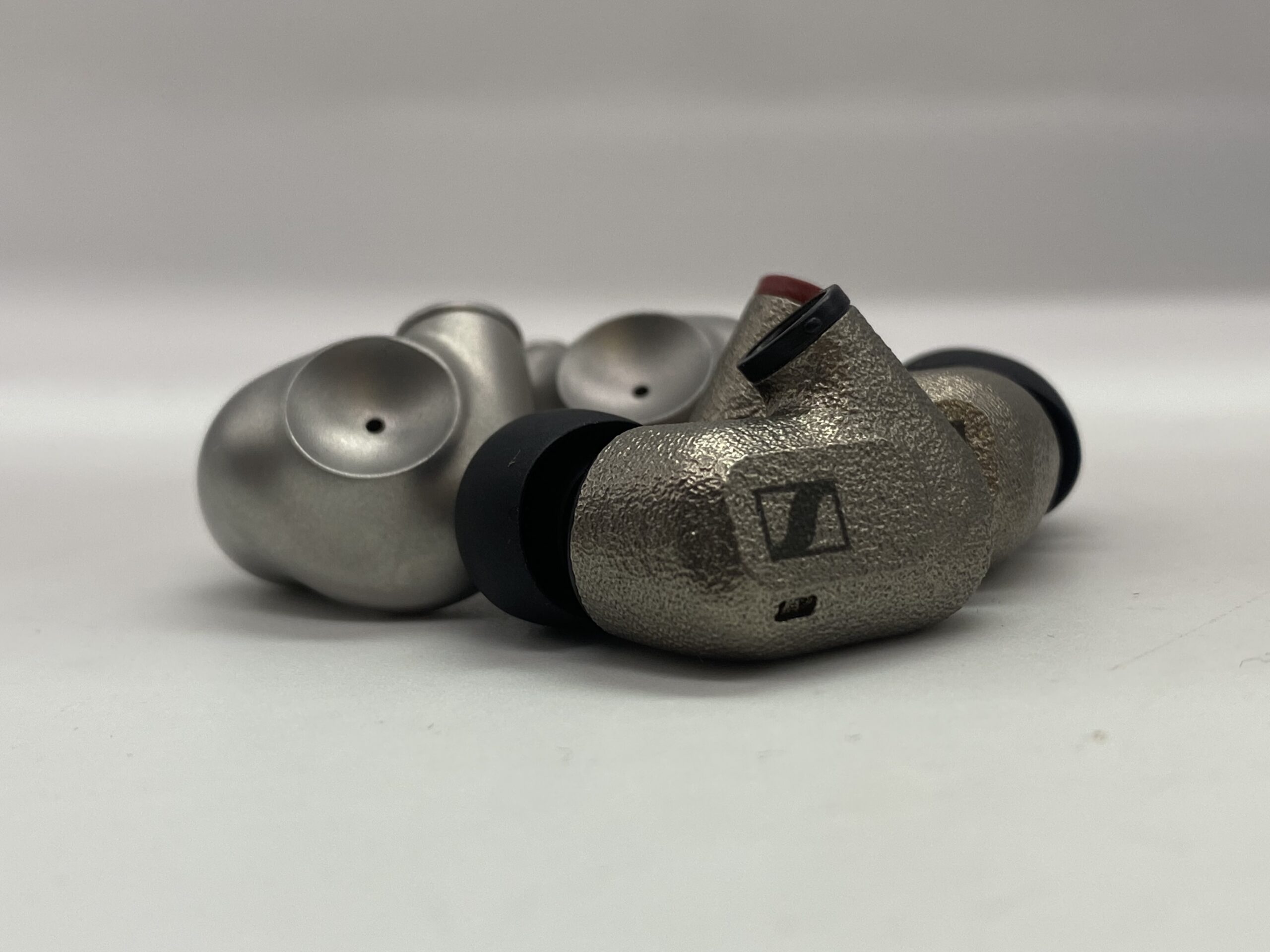
Single dynamic driver IEMs have reached a level of refinement where technical performance and musicality can coexist without compromise. Two standout contenders in this space are the Meze Astru and the Sennheiser IE 600, both offering premium builds, carefully tuned sound signatures, and strong audiophile appeal. While they share a similar design philosophy, their execution differs in ways that will significantly impact your listening experience depending on your preferences.
What You Get
| Astru | IE 600 |
|
|
Look & Feel
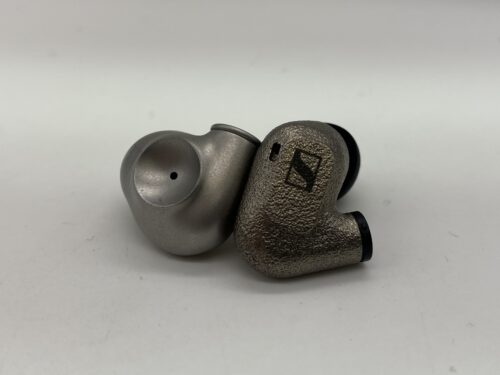
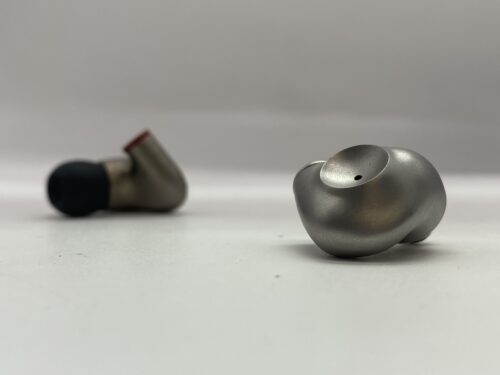
The Meze Astru immediately presents itself as a luxury-focused IEM, with a CNC-machined titanium housing that feels both durable and refined. Its smooth, ergonomic shape sits naturally in the ear, offering a lightweight yet secure fit that enhances long listening sessions. In contrast, the Sennheiser IE 600 takes a more understated and utilitarian approach. Its compact metal shell is smaller and more discreet, prioritizing comfort and practicality over visual flair. While it may not feel as overtly luxurious as the Astru, its lightweight design allows it to disappear in the ear, making it an excellent option for extended wear and everyday use. Overall, the Astru leans toward a more lifestyle-oriented, high-end presentation, while the IE 600 focuses on compact efficiency and ergonomic simplicity.
Design
Both the Meze Astru and the Sennheiser IE 600 use single dynamic drivers, but they approach tuning and performance differently. The Astru is designed to emphasize coherence and balance, delivering a unified sound where each frequency band flows naturally into the next. This results in a presentation that feels smooth and musically cohesive, with an emphasis on natural timbre. The IE 600, by comparison, prioritizes speed and responsiveness. Its tuning leans toward a more energetic delivery, with sharper transients and a heightened sense of immediacy. This gives the IE 600 a more dynamic and engaging character, particularly when it comes to percussive elements and fast-moving passages. While both drivers are highly capable, the Astru focuses more on refinement and consistency, whereas the IE 600 highlights impact and technical agility.
Soundstage
In comparison, the Astru leans toward a more enveloping and spacious experience, while the IE 600 emphasizes precision and clarity within a tighter stage. The Meze Astru delivers a soundstage that feels immersive without being artificially wide. It prioritizes depth and layering, allowing instruments to occupy distinct positions within a cohesive stereo field. This creates a presentation that feels natural and atmospheric, drawing the listener into the music rather than pushing elements outward. The Sennheiser IE 600 offers a slightly different approach, with a soundstage that is more intimate but still maintains a sense of openness. Its imaging is precise, placing instruments with clarity and accuracy while keeping the overall presentation focused and controlled.
Low End
The low-end response is one of the most noticeable differences between these two IEMs. The Meze Astru focuses on delivering bass that is tight, controlled, and highly textured. The Sennheiser IE 600, on the other hand, delivers a more energetic and impactful bass response. Its low end has greater punch and physicality, giving it a sense of drive that makes music feel more engaging and dynamic. This added weight can make a noticeable difference in genres that rely on strong rhythmic foundations. As a result, the Astru is better suited for listeners who value precision and subtlety in the bass, while the IE 600 appeals to those who prefer a more powerful and lively low-end presence.
Mids
Both IEMs perform exceptionally well in the midrange, but they present it in different ways. The Meze Astru offers a midrange that is smooth, natural, and highly cohesive, with a focus on accurate timbre. Vocals and instruments sound balanced and organic, making it particularly well-suited for acoustic music and vocal-driven tracks. The Sennheiser IE 600 introduces a slightly more dynamic character to the midrange, combining warmth with clarity. This results in a presentation that feels more forward and expressive, allowing vocals and instruments to stand out with greater intensity. In essence, the Astru provides a more neutral and evenly balanced midrange, while the IE 600 delivers a more engaging and emotionally driven performance.
Highs
Treble response further distinguishes these two IEMs. The Meze Astru maintains a controlled and refined high-end, offering enough sparkle to bring out detail without introducing harshness or fatigue. Its treble is lively but carefully restrained, making it ideal for extended listening sessions. The Sennheiser IE 600 extends further into the upper frequencies, delivering more air and brilliance. This gives it a brighter overall presentation, enhancing detail retrieval and adding a sense of openness to the sound. However, this added energy may be more noticeable for listeners who are sensitive to treble. Ultimately, the Astru provides a smoother and more relaxed high-end, while the IE 600 offers greater extension and a more vivid top-end presentation.
Summary
The Meze Astru and Sennheiser IE 600 both represent the pinnacle of what single dynamic driver IEMs can achieve, but they cater to different listening preferences. The Astru excels in delivering a refined, cohesive, and natural sound that emphasizes musicality and comfort, while the IE 600 stands out with its energetic, dynamic tuning that highlights impact and detail. Choosing between them ultimately comes down to whether you prefer a more balanced and immersive presentation or a more engaging and lively sound. Either way, both IEMs offer exceptional performance and remain top-tier options in the high-end audiophile market.
The Meze Astru and Sennheiser IE 600 are available at Audio46.
MAJORHIFI may receive commissions from retail offers.