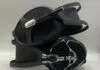



Beyerdynamic has built its reputation on dependable studio and professional headphones, but the company’s lineup has expanded significantly in recent years to serve different types of creators. From DJs performing in loud clubs to producers working in quiet studios, Beyerdynamic offers models that prioritize very different listening needs.
Two of the brand’s newer releases illustrate this contrast well: the DJ-focused DJ 300 Pro X and the studio-oriented DT 270 Pro. While both share Beyerdynamic’s robust construction and dynamic driver technology, they are designed for entirely different workflows. The DJ 300 Pro X emphasizes flexibility, isolation, and punchy monitoring for live sets, while the DT 270 Pro focuses on compact comfort and balanced audio for recording and production environments. Let’s take a closer look at how these two professional headphones compare.
What You Get
| DJ 300 Pro X | DT 270 Pro |
|
|
Look & Feel
While the DJ 300 Pro X looks ready for the club, the DT 270 Pro feels more at home in a recording studio or editing setup. The DJ 300 Pro X is designed with practicality in mind, particularly for DJs who need headphones that can handle frequent use in dynamic environments. A foldable structure makes the headphone easier to transport between gigs, and the detachable locking cable helps prevent accidental unplugging during use. Overall, the DJ 300 Pro X has a rugged, utilitarian look that reflects its purpose as a working tool for live performance.
The DT 270 Pro presents a much more compact and understated design. Softer ear pads and a padded headband help distribute pressure comfortably, creating a fit that remains stable without feeling overly tight. The overall aesthetic is minimal and professional, with a design that prioritizes comfort and practicality over flashy styling. While the DJ 300 Pro X looks ready for the club, the DT 270 Pro feels more at home in a recording studio or editing setup.
Design
Although the Beyerdynamic DJ 300 Pro X and DT 270 Pro are built for different professional environments, they actually share a similar foundation when it comes to driver architecture. Both headphones rely on dynamic drivers, a design commonly used in professional monitoring headphones because of its reliability, efficiency, and ability to deliver strong output levels without requiring powerful amplification.
Soundstage
Because it’s designed for DJ cueing and live environments, the DJ 300 Pro X has a more intimate soundstage. This tighter presentation helps DJs quickly identify beats, transitions, and rhythm details when monitoring a mix. The closed-back design keeps the sound focused and controlled, ensuring clarity even when playing music at high volumes. The DT 270 Pro offers a slightly more spacious and natural presentation. While it’s still a closed-back headphone, its tuning aims for clarity and accuracy rather than raw energy. The result is a soundstage that feels more appropriate for mix checking, editing, and studio monitoring rather than live DJ cueing.
Low End
The bass on the DJ 300 Pro X has a strong, punchy character, while the DT 270 takes a more controlled approach. With the DJ 300, you get low-frequency elements that feel powerful and present, making it easier to follow kick drums and basslines in loud environments. This emphasis on impact helps maintain clarity when monitoring tracks during a live set. Instead of emphasizing punch, the DT 270 feels balanced and clean, offering enough weight without overshadowing other parts of the mix. This makes the DT 270 Pro more suitable for monitoring and production work where accuracy is essential.
Mids
With the DJ 300 Pro X, the mids lean toward a slightly energetic presentation rather than strict neutrality. In comparison, the DT 270 Pro provides a more neutral and refined midrange where vocals and instruments sound clear and natural, making it easier to analyze details in recordings. This balanced midrange helps the DT 270 Pro perform well in recording and editing situations where tonal accuracy is important. The midrange on the DJ 300 Pro X maintains clarity while keeping a lively tonal balance. Vocals and instruments remain easy to identify within a mix, helping DJs stay oriented when cueing tracks.
Highs
Treble on the DJ 300 Pro X adds brightness and clarity to the overall sound signature. High-frequency elements such as percussion and hi-hats remain distinct, contributing to the headphone’s energetic presentation. This helps DJs track timing and rhythmic details even in busy mixes. The DT 270 Pro offers a smoother treble response. High frequencies are detailed without feeling overly sharp, which helps maintain listening comfort during long sessions. The result is a more relaxed presentation that aligns with studio monitoring needs.
Summary
The Beyerdynamic DJ 300 Pro X and DT 270 Pro may look similar at first glance, but they’re built for entirely different workflows. The DJ 300 Pro X is a powerful, flexible tool designed for live DJs who need punchy sound and reliable isolation in noisy venues. Meanwhile, the DT 270 Pro focuses on portability and balanced monitoring, making it a better fit for producers, engineers, and content creators working in controlled environments.
If your primary focus is on DJ performance and beatmatching, the DJ 300 Pro X will feel like the natural choice. But if you spend more time recording, mixing, or editing audio, the DT 270 Pro offers the comfort and accuracy needed for long studio sessions. In the end, both models demonstrate Beyerdynamic’s continued commitment to professional audio gear, just tailored for two very different types of listeners.
The Beyerdynamic DJ 300 Pro X and DT 270 Pro are available at Audio46.