


Premium wireless headphones continue to approach the performance of traditional wired audiophile models. The Noble Audio FoKus Artemis and Focal Bathys represent two particularly ambitious approaches to that goal. Both combine active noise cancellation, high-resolution Bluetooth codecs, wired playback, and distinctive driver technology, but they offer noticeably different listening experiences. The Artemis uses an elaborate three-driver hybrid system designed to produce powerful bass and expansive spatial imaging. The Bathys follows Focal’s established philosophy with an aluminum-magnesium dynamic driver and a darker, more controlled tuning. Which premium Bluetooth headphone is the better choice?
What You Get
| FoKus Artemis | Bathys |
|
|
Look and Feel
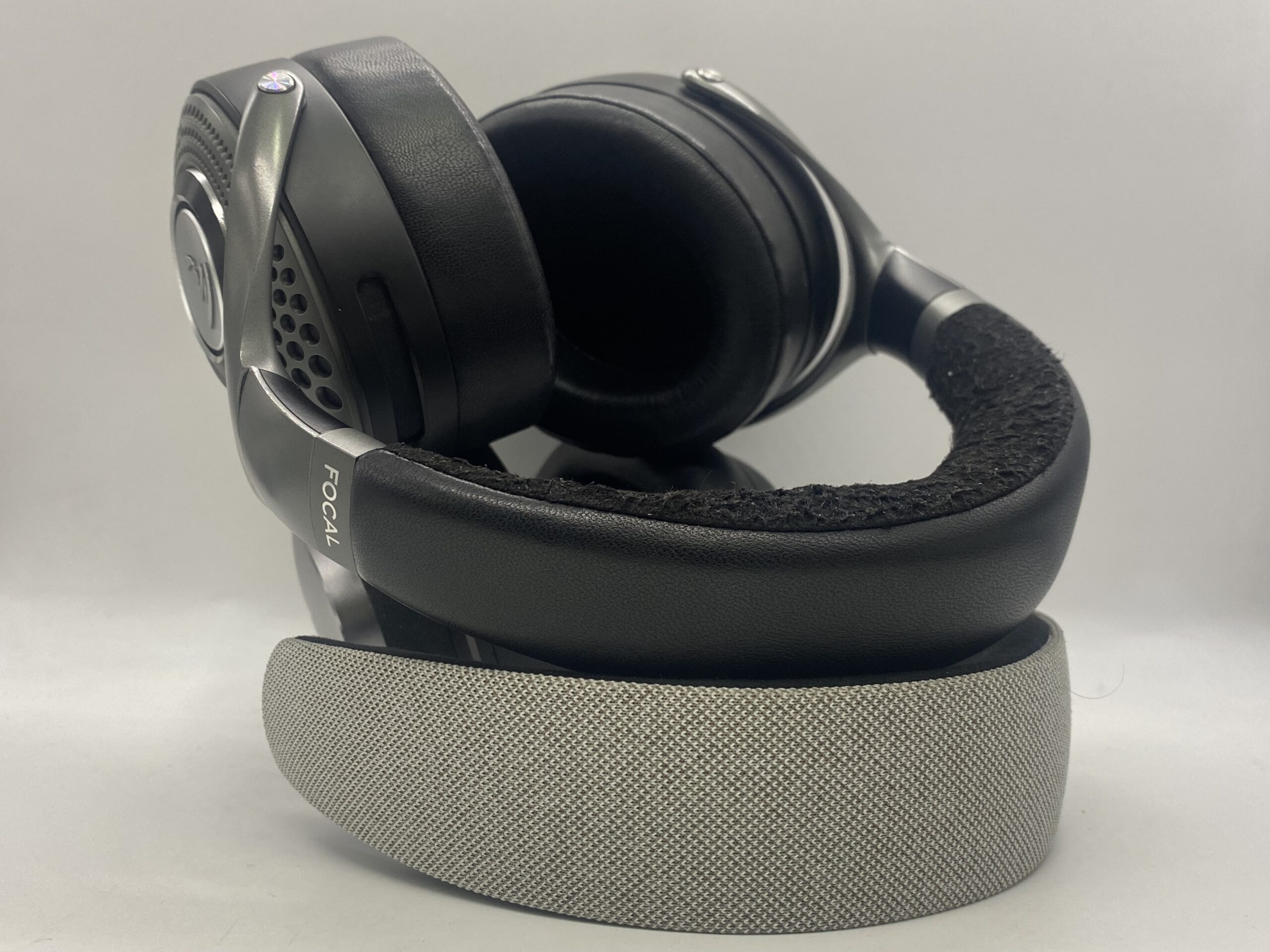
Both headphones look and feel appropriately luxurious, although each carries a very different visual identity. The FoKus Artemis uses large earcups, silver plating, and a flexible aluminum frame. Its deeper earcups provide plenty of room around the ears, while the plush padding helps minimize pressure during longer sessions. The earcups rotate flat for easier storage and a more comfortable fit around the neck. The headband could use slightly more padding, but the Artemis remains impressively comfortable for a full-size wireless headphone.
Focal gives the Bathys a design that immediately connects it to the company’s wired audiophile lineup. Its patterned grilles, illuminated Focal logo, and refined construction make it one of the most recognizable Bluetooth headphones available. The Bathys also feels light on the head, with spacious earcups and supportive padding that maintain a secure fit without producing excessive pressure. The Artemis has the more futuristic appearance, while the Bathys feels more established and elegant. Comfort is excellent on both, although listeners who prefer especially deep earcups may favor the Noble.
Design and Functionality
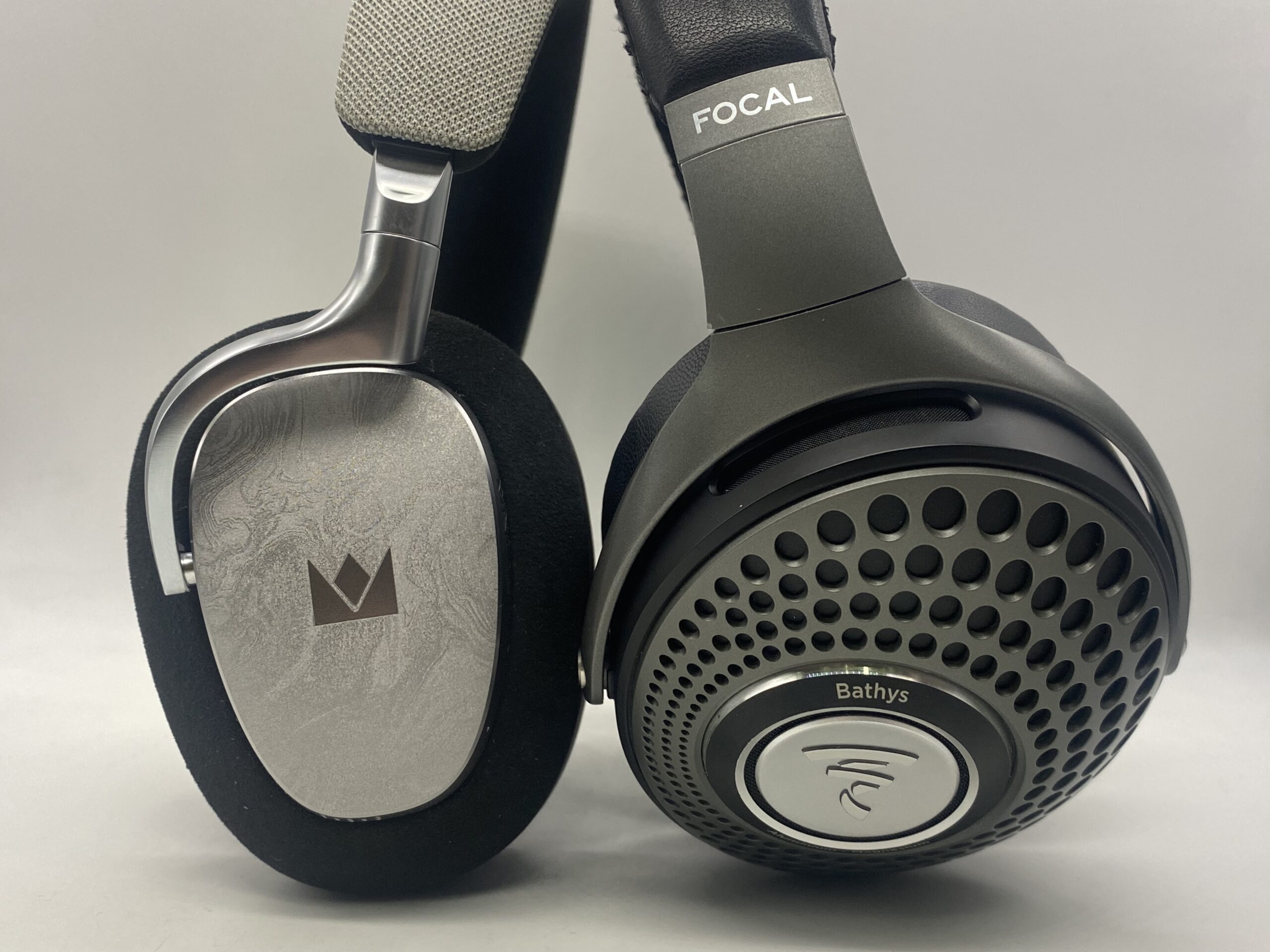
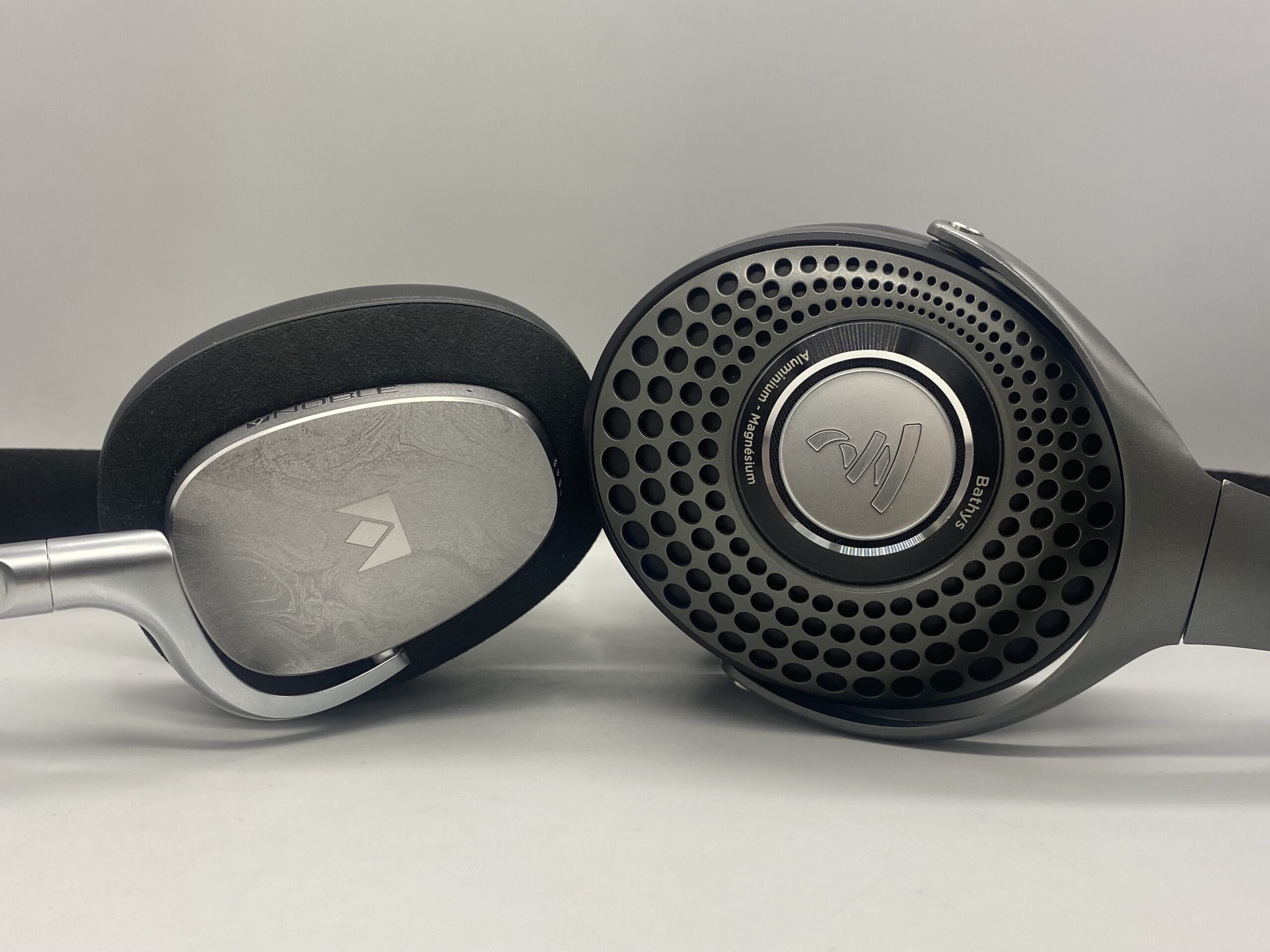
The largest technical difference between the Noble Audio FoKus Artemis and Focal Bathys is their driver design. Noble uses three different drivers in each Artemis earcup. A dynamic driver handles the bass, a planar magnetic driver covers the midrange, and a balanced-armature super tweeter reproduces the upper frequencies. This unusual configuration gives each section of the frequency response its own specialized driver., The Bathys uses Focal’s aluminum-magnesium M-shaped dome dynamic driver. It is a more conventional configuration than the Artemis, but it brings some of the tonal characteristics associated with Focal’s wired headphones into a portable Bluetooth design. The Bathys can also operate in USB DAC mode, providing a higher-quality digital connection to compatible devices.
Both headphones offer active noise cancellation and transparency features. The Artemis provides adjustable ANC supported by a six-microphone array, while the Bathys includes Silent and Soft noise-canceling modes for different environments. Neither headphone prioritizes noise cancellation over sound quality, but both offer enough isolation for commuting, travel, and office listening. Noble’s companion app gives the Artemis a significant advantage in customization. Its features include EQ controls, spatial audio, and Audiodo hearing personalization. The resulting sound profile can be saved directly to the headphones and used across different devices.
Bluetooth and Connectivity
The FoKus Artemis has a more advanced wireless specification. It uses Bluetooth 6.0 with Qualcomm’s QCC3095 platform and supports LDAC, aptX Adaptive, and aptX Lossless. Multipoint connectivity is also included. Listeners can bypass Bluetooth using either USB-C digital audio or a traditional 3.5mm cable. The Bathys uses Bluetooth 5.1 and supports SBC, AAC, aptX, and aptX Adaptive. Multipoint pairing is available, and its wireless connection is stable and responsive. The Bathys can also play through USB-C or its 3.5mm input, with its USB DAC mode offering the most direct path to high-resolution playback. Both headphones are flexible enough for wireless and wired systems, but the Artemis offers newer Bluetooth technology and a wider selection of high-resolution codecs.
Battery Life
Battery performance is another clear advantage for the FoKus Artemis. Noble rates the headphones for more than 40 hours without ANC and over 35 hours with noise cancellation enabled. A complete recharge takes less than 90 minutes. The Artemis also has a user-replaceable battery. That is an uncommon feature among premium wireless headphones and could substantially extend its useful lifespan. The Bathys provides approximately 30 hours of playback with ANC. Battery life can increase when using its wired modes, while a 15-minute fast charge supplies roughly five additional hours of listening. The Bathys remains competitive, but the Artemis lasts longer and offers the additional long-term benefit of a replaceable battery.
Soundstage
Soundstage is a strength for both headphones, but the FoKus Artemis delivers the larger and more enveloping presentation. The Artemis produces a wide stereo image with strong height, separation, and positional definition. Its presentation wraps effectively around the listener without losing the stability of the center image. Atmospheric recordings feel especially immersive, with individual instruments and effects occupying clearly defined spaces.
The Bathys also has one of the more spacious presentations found in a Bluetooth headphone. Instruments extend convincingly toward the outer edges of the earcups, while vocals, percussion, and other elements are arranged with impressive depth. Its imaging feels organized and precise, making it easy to locate individual parts within a busy mix. The Bathys presents space with excellent control, but the Artemis sounds bigger and more dimensional. Listeners interested in ambient music, orchestral recordings, film scores, or other spatially detailed material may find the Noble more immersive.
Low End
Bass response is where the personalities of these headphones begin to separate. The FoKus Artemis delivers the stronger and more physical low end. Its sub-bass reaches deep, producing a growling rumble with considerable weight and texture. The bass can become even more dominant through EQ without immediately sacrificing clarity or control. Listeners who enjoy electronic music, hip-hop, cinematic scores, or any genre that benefits from substantial low-frequency impact will likely prefer the Artemis.
The Bathys takes a more reserved approach. Its bass has good depth, definition, and realistic timbre, but it does not emphasize sheer impact. Rather than overpowering the mix, its low end remains separated and controlled. There is enough punch and sub-bass vibration to keep the sound engaging, but the presentation prioritizes clarity over size. Choose the Artemis for slam and sub-bass presence. Choose the Bathys for tighter, more restrained bass reproduction.
Mids
The Artemis has a clear but relatively flat midrange in its default tuning. Instruments sound natural and articulate, although the overall presentation can occasionally appear dry or slightly underemphasized. Fortunately, the Artemis responds well to EQ. A small adjustment can push vocals forward, add richness, and give upper-midrange details more energy. The Bathys offers a darker and denser midrange. Lower-midrange instruments carry more weight, helping electric guitars, synths, and heavier arrangements sound forceful and energetic. Vocals remain clear but do not project as far forward as the surrounding instrumentation. Neither midrange is completely neutral. The Artemis offers greater flexibility and can be shaped into a more vocal-forward presentation, while the Bathys supplies more warmth and body without requiring immediate adjustment.
Highs
Treble on the FoKus Artemis is tight, resolving, and capable of producing considerable sparkle. EQ can increase its presence and reveal more upper-frequency detail, although stronger adjustments may introduce some vocal sibilance. Even with additional brightness, the Artemis maintains good control and avoids becoming excessively piercing. The Bathys has a smoother and darker treble response. Cymbals and upper-frequency details remain identifiable, but they are presented at a lower intensity. The highs complement the Bathys’ warm tuning without adding much air or brilliance. Listeners who want greater treble energy, detail, and customization should choose the Artemis. Those sensitive to brightness may find the Bathys easier to enjoy over extended sessions.
Summary
The Noble Audio FoKus Artemis is the more technically ambitious and customizable headphone. Its hybrid drivers produce deeper bass, a wider soundstage, and a more energetic treble response. It also offers newer Bluetooth technology, longer battery life, extensive app-based personalization, and a replaceable battery. Its default midrange can sound somewhat dry, but the responsive EQ makes that easy to address.
The Focal Bathys is the better option for listeners who want a warmer, darker, and more cohesive sound without extensive adjustments. Its bass is controlled, its midrange has satisfying weight, and its treble remains smooth. Focal’s signature styling and useful USB DAC mode also make it a compelling bridge between wireless convenience and traditional audiophile listening. Overall, the FoKus Artemis is the stronger choice for listeners who prioritize spacious imaging, powerful sub-bass, high-resolution wireless connectivity, and sound customization. The Bathys remains appealing for anyone who prefers a richer, more relaxed tuning and Focal’s distinct design language.
The Noble FoKus Artemis and the Focal Bathys are available at Audio46.