The Empyrean II already feels like a complete expression of what Meze does well. It has the comfort and craftsmanship the brand is known for, paired with a sound that brings you close to the music without crowding it. So where does the $6,000 Arta go from there? After spending time with both headphones, I don’t hear the Arta as a straightforward upgrade to the Empyrean II. It changes the experience. The Empyrean II gives instruments a clear position in a believable, intimate space. The Arta makes that space feel much larger, with sounds extending around you and farther into the distance. That difference shapes everything from the weight of a kick drum to the way a vocal holds your attention.
What You Get
| Empyrean II | Arta |
|
|
Look & Feel
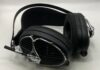
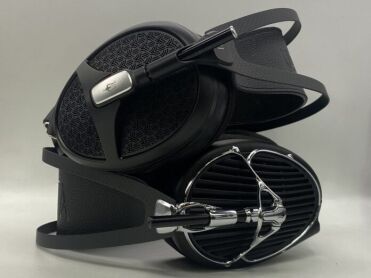
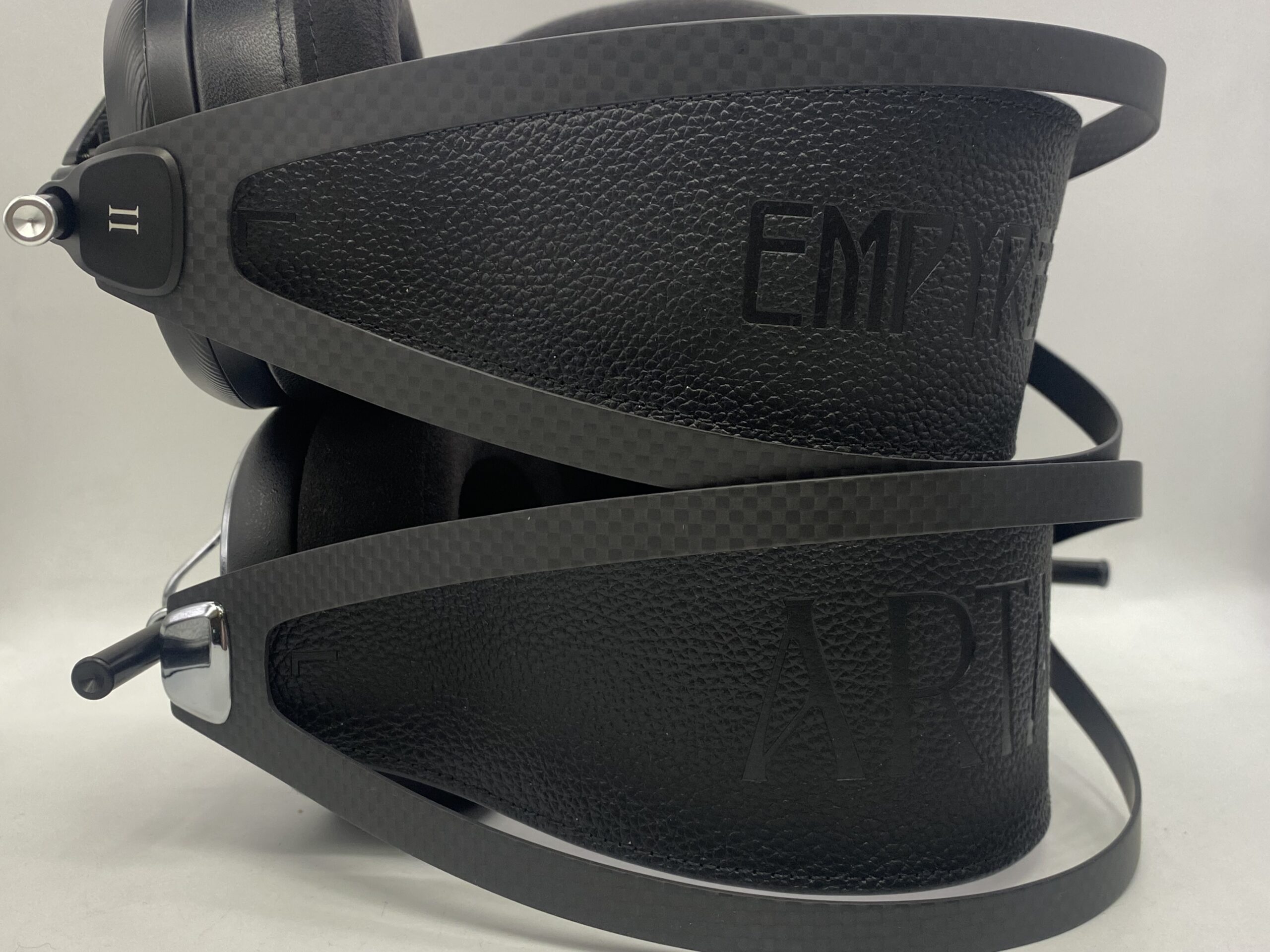
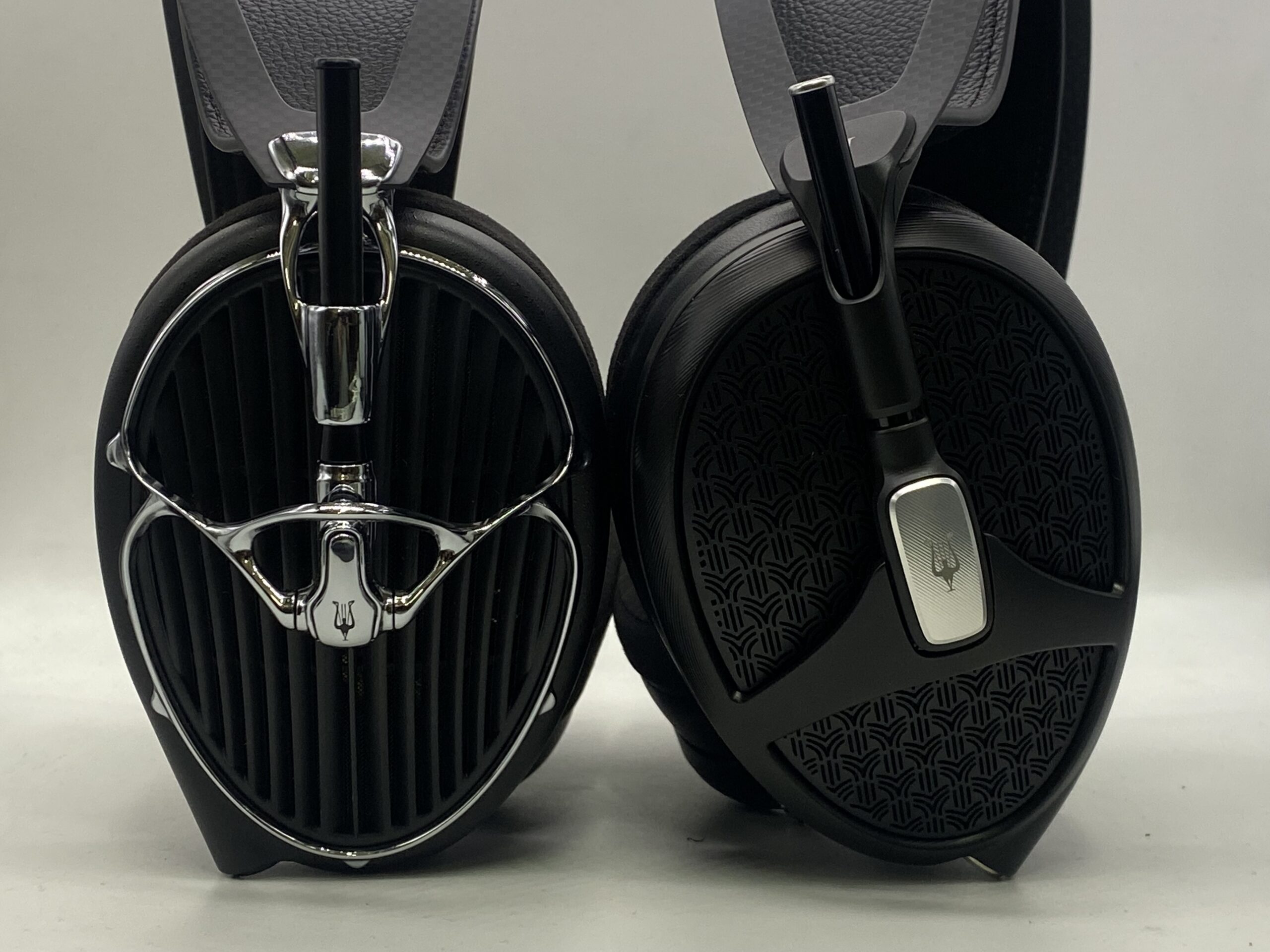
The family resemblance is obvious, but the Arta makes a more dramatic first impression. Its sculpted metal earcups and angled grille blades give it an intricate appearance that suits its flagship price. The Empyrean II is striking in its own right, with a patterned grille, sturdy aluminum frame, and black finish with silver accents. It feels a little more understated beside the Arta. Meze gets the fit right on both. Their large earcups sit comfortably around the ears, and neither headphone makes its elaborate construction feel like a burden during a long session. Both also include two sets of ear pads. On the Arta, swapping between the hybrid lambskin and Alcantara pads does more than make a small tonal adjustment; it changes how far the soundstage seems to reach.
Design
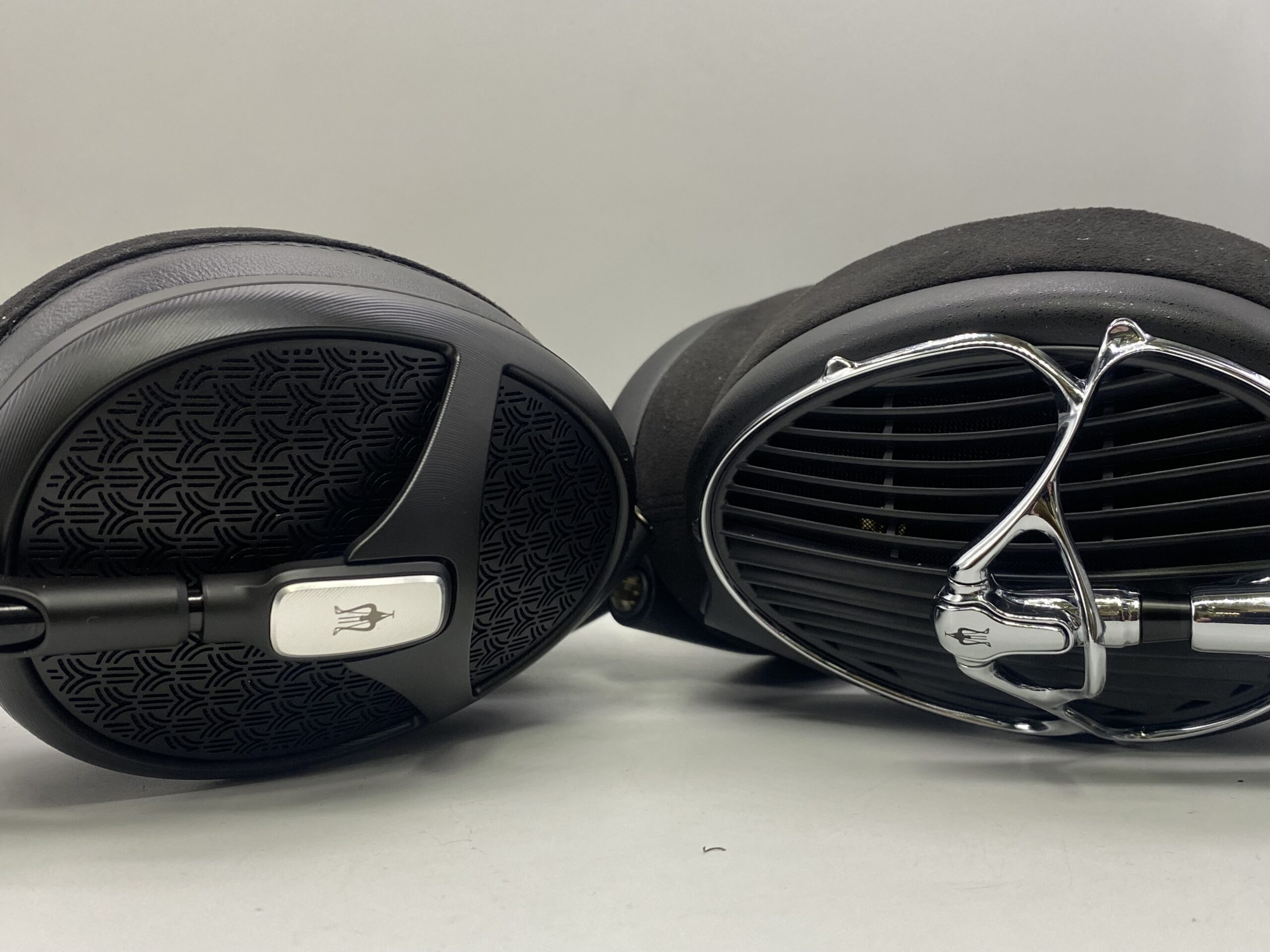
Both models use planar magnetic drivers developed with Rinaro. The Empyrean II’s Isodynamic Hybrid Array driver uses spiral and switchback voice coils to reproduce different parts of the frequency range. It benefits from a dedicated DAC/amp, but I found it relatively easy to power for a headphone at this level. The Arta takes a different approach with its MZ5 HΩ High Impedance Isodynamic Hybrid Array driver. Its average impedance is 225 ohms, making amplification a more significant consideration. Angled blades in the open-back grille are also designed to reduce internal reflections. Those details serve the quality that defines the Arta’s sound: its unusually clear sense of space.
Soundstage
The Empyrean II has some of the most convincing imaging in the Empyrean line. It separates instruments cleanly and leaves audible space between them, but the performance still feels close. Vocals appear directly ahead, and the rest of the arrangement settles into place around them. There’s a studio-like realism to it that makes even a dense mix feel easy to follow. The Arta pulls you into a different environment. With the hybrid pads, images are sharply positioned across a wide stage. Switching to the Alcantara pads makes everything feel more open. Instruments seem to have both a location and a distance from the listener, while ambient sounds can extend outward and wrap around the head. I enjoy the Empyrean II’s more focused presentation, especially when I want to follow individual performers. The Arta is the headphone I’d reach for when the space of a recording is part of the performance. Its sense of scale can make familiar music feel newly expansive.
Low End
Bass on the Empyrean II is immediately engaging. It has punch and warmth, with enough restraint to keep the rest of the mix in balance. A kick drum has a firm shape, and bass notes carry weight without turning the sound thick or overly dominant. The Arta is less interested in giving every low note a big initial hit. Its bass reveals itself through depth and texture, especially in the sub-bass. There’s a grounded quality to it that makes low frequencies feel as though they are developing beneath the music rather than simply striking through it. For rhythmic energy, I prefer the Empyrean II. The Arta’s low end rewards closer listening, with a more vivid impression of vibration, decay, and the space occupied by each note.
Mids
The Empyrean II brings the midrange forward with clarity and body. Vocals are crisp and present, while instruments retain enough warmth to sound full. It gives performances an immediate quality that works particularly well with recordings built around a singer or a small group of musicians. The Arta sounds a little darker and more spacious through the mids. Lower-midrange warmth gives instruments substance, but there’s still enough definition to hear their individual textures. Vocals are detailed and prominent without always feeling as close as they do on the Empyrean II. The Alcantara pads open this range up somewhat, while the hybrid pads keep it more relaxed. Neither presentation feels thin or distant. The difference is in perspective: the Empyrean II puts you near the performers, while the Arta lets their sound occupy a larger room.
Highs
Treble gives the Empyrean II some of its excitement. Cymbals have a satisfying sizzle, and the ends of notes sound crisp and clearly drawn. Occasionally, that emphasis brings a sharper edge to a recording, which may stand out to anyone sensitive to bright highs. The Arta keeps the top end under tighter control. Fine details are easy to hear, but they don’t linger or push themselves to the front of the presentation. There’s some sparkle in its timbre, followed by a quick, natural decay. I can listen to the Arta for a long time without feeling that its treble is asking for my attention.
Summary
The Meze Arta and Empyrean II share an impressive level of comfort, build quality, and musical detail, but I’d choose them for different reasons. The Empyrean II is the more direct and energetic listen. Its precise, intimate stage, punchier bass, clear mids, and lively highs make it easy to connect with a performance. The Arta is more transporting. Its bass has greater depth than force, its warmer midrange gives instruments a convincing body, and its controlled treble leaves room for the soundstage to take over. With the Alcantara pads in particular, its spaciousness becomes the main event. If you want to feel close to the musicians, the Empyrean II remains hard to beat. If you want the recording to stretch beyond the headphones and surround you, the Arta offers an experience all its own.
The Meze Arta and Empyrean II are available at Audio46.