

64 Audio has built a reputation around in-ear monitors that reveal the finer details of a recording while keeping the music engaging. The Ocean and U12t 2025 both fit within that philosophy, but they approach it through different driver configurations and tuning features. One introduces a hybrid system with extensive customization, while the other updates an established balanced-armature design. For anyone comparing these premium IEMs, the question goes beyond which model retrieves more detail. How that detail is presented, where instruments sit, and how much physical impact accompanies each note can matter just as much. Here is how the 64 Audio Ocean and U12t 2025 compare.
What You Get
| Ocean | U12t |
|
|
Look & Feel
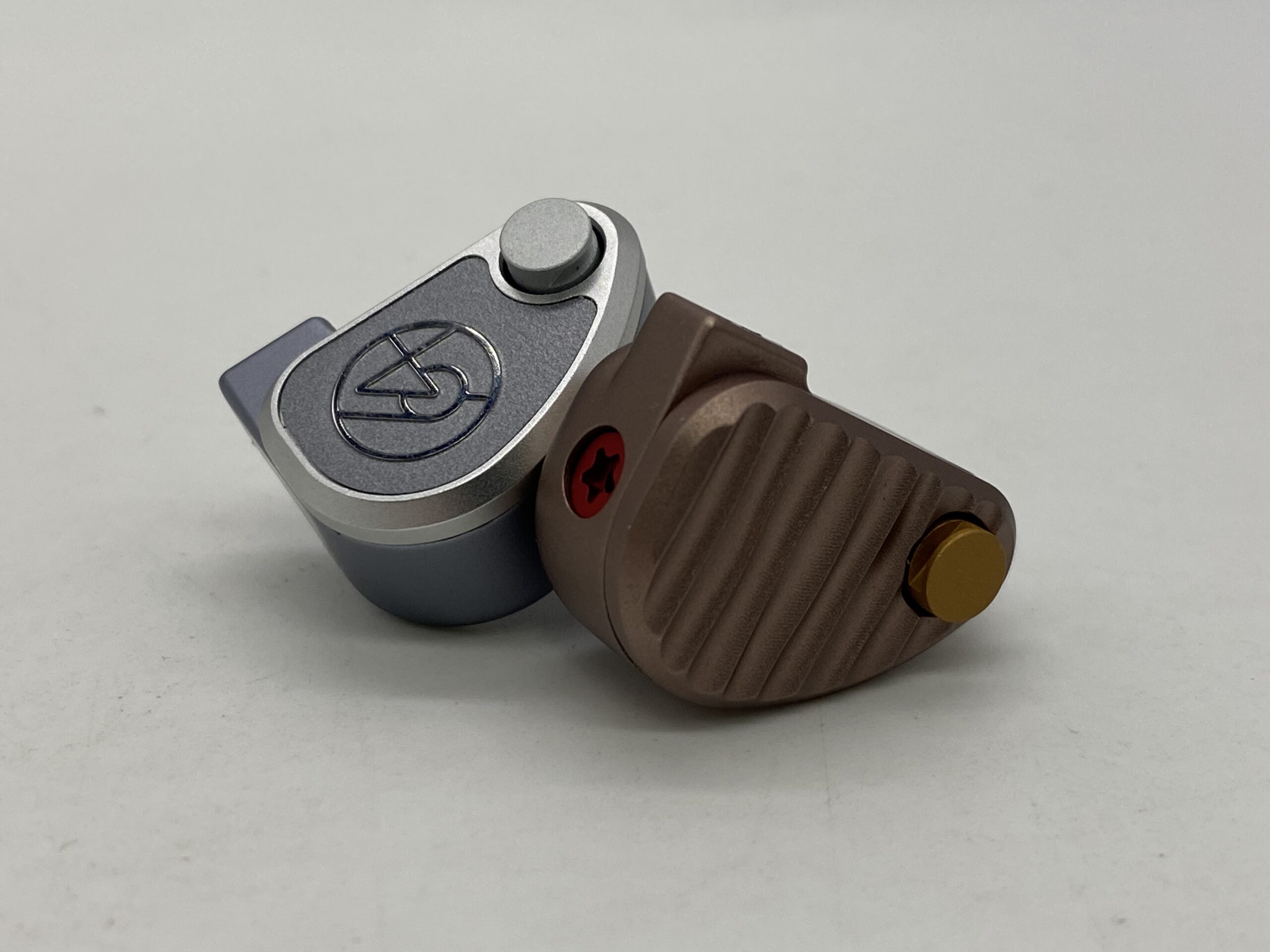
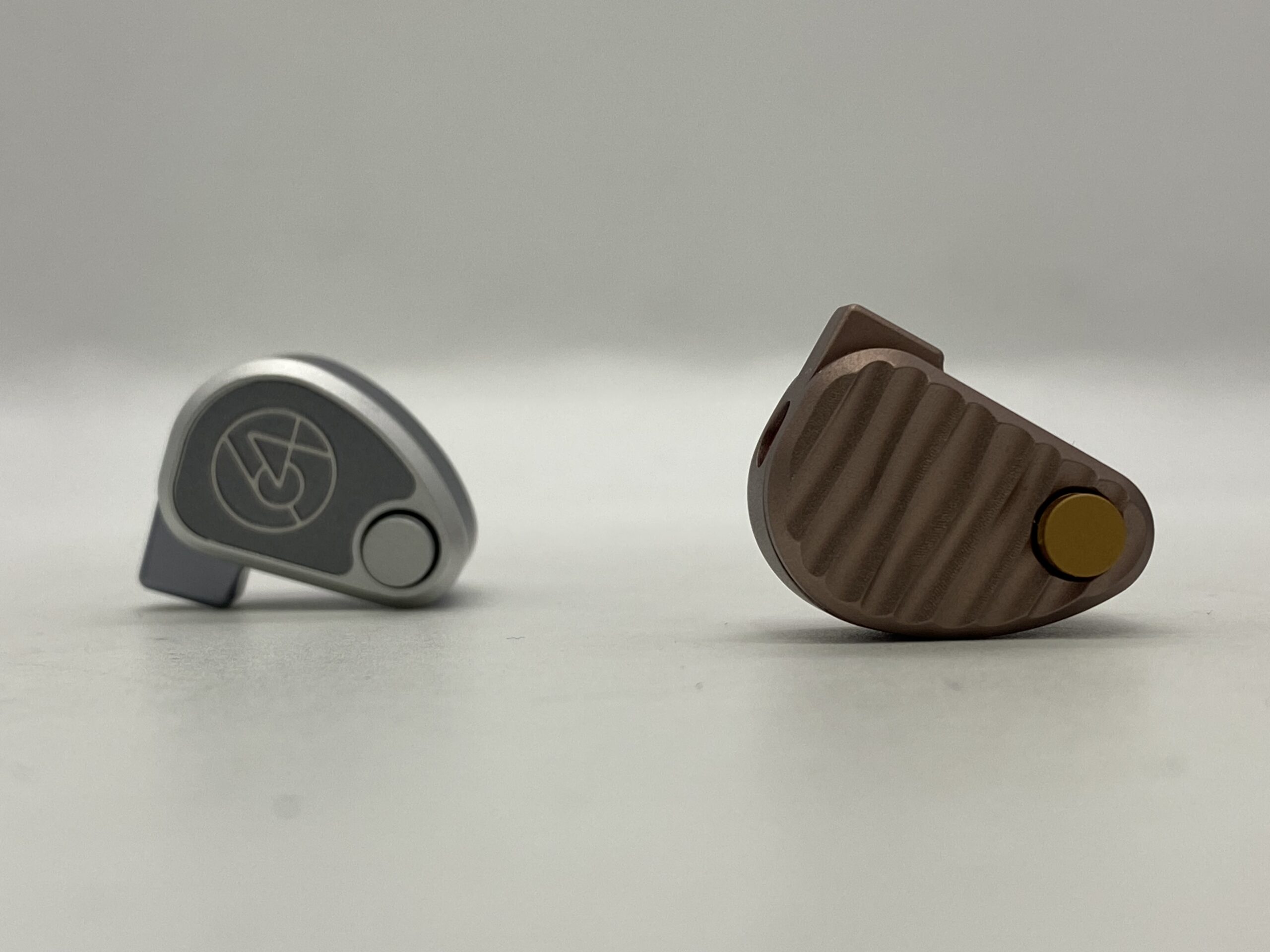
The Ocean uses aluminum housings with wave-patterned faceplates finished in champagne copper. The review describes a lightweight, comfortable fit with suitable tips. The U12t 2025 pairs T6061 aluminum shells with stainless steel faceplates, giving the revised model a brighter appearance than its predecessor. Its silver cables reinforce that visual update. Aesthetically, the choice is straightforward. The Ocean has the more expressive identity, with its faceplate pattern providing a recognizable focal point. The U12t takes a restrained approach, using its materials and finish to create a cleaner appearance. Neither needs an oversized or elaborate shape to communicate that it belongs in the premium category.
Comfort is harder to rank from the two reviews alone. The Ocean receives a direct endorsement for its fit, but the U12t article concentrates more on the revised exterior. That leaves insufficient evidence to declare one universally more comfortable. For a purchase at this level, a personal fit check remains valuable, particularly if you expect to wear either model for extended sessions.
Design
The Ocean is a six-driver hybrid with two dynamic drivers in a cone-to-cone isobaric arrangement, two midrange balanced armatures, one high-mid balanced armature, and a tia high-frequency driver. Interchangeable apex modules, back-vent filters, and stainless steel tia screens provide 32 tuning combinations. The U12t 2025 retains a twelve-driver balanced-armature architecture, alongside apex, LID circuitry, and tia acoustic chambers.
These specifications suggest two different approaches, but they shouldn’t be treated as a ranking. The U12t’s higher driver count does not automatically make it more resolving, just as the Ocean’s dynamic drivers alone do not establish superior bass. The listening impressions are more useful for understanding what each implementation achieves. Customization is the clearer practical difference. The Ocean gives listeners more ways to investigate their preferred balance. That can appeal if your listening shifts between genres or if you enjoy adjusting the presentation over time. It also means comparisons should identify the Ocean’s configuration: describing a single fixed sound would overlook part of its appeal.
Soundstage
The Ocean and U12t 2025 both deliver spacious soundstages with precise imaging, but their presentations have different priorities. The Ocean combines substantial width with a direct, immediate perspective. Instruments spread across the stereo field while remaining firmly positioned, creating a grand presentation that keeps the performance close. Its sense of space supports the physical presence of each instrument rather than making everything feel distant. The U12t emphasizes separation and breathing room, giving individual parts clearly defined positions within the arrangement. Both make complex recordings easy to navigate, with the Ocean drawing attention through scale and proximity and the U12t through its orderly distribution of instruments.
Low End
Bass provides one of the clearest distinctions between these IEMs. The Ocean delivers a tactile, hard-hitting response that gives notes convincing weight without obscuring their definition. Its reference configuration keeps that impact balanced, while the interchangeable filters let you introduce more sub-bass bloom and presence. The U12t places greater emphasis on articulation and transparency, revealing the shape of bass notes without leaning heavily on added thickness or slam. This makes the Ocean especially appealing if you want a physical foundation beneath the music, while the U12t suits listeners who prioritize cleanly resolved bass lines. Both value detail, but the Ocean pairs that detail with a more overt sense of impact.
Mids
Midrange clarity is a major strength of both models. The Ocean brings instruments forward with sharp attacks, substantial body, and vivid texture. Vocals hold a commanding position, giving singers an immediate presence without diminishing the surrounding instrumentation. The U12t takes a more even-handed approach, presenting instruments with natural texture and clearly defined shapes while allowing attention to move freely through the ensemble. Its midrange feels lively without relying on excessive warmth or lushness. Listeners drawn to vocal presence and instrumental immediacy will find plenty to appreciate in the Ocean, while the U12t offers an engaging perspective on how individual performances work together.
Highs
Treble adds sparkle and definition to both signatures while remaining controlled. The Ocean’s upper register has a tight, focused character, emphasizing the initial detail of a sound more than a lingering decay. That approach complements its forward midrange, preserving clarity without letting the highs dominate. The U12t brings a colorful, glistening quality to high-frequency information, giving upper-register textures an expressive presence within its spacious arrangement. Neither depends solely on brightness to communicate detail. The Ocean’s appeal lies in its concise, organic definition, while the U12t combines clear resolution with an especially lively sense of sparkle.
Summary
The 64 Audio Ocean is the more compelling starting point if you prioritize physical bass impact, a commanding midrange, and opportunities to adjust the tuning. Its appeal centers on combining detail with a strong sense of presence. The 64 Audio U12t 2025 deserves closer attention if your priorities are bass articulation, instrumental separation, and an even perspective on the performance. Its review presents a familiar design refined around the qualities that already made it appealing. Ultimately, this comparison points toward a preference decision rather than an outright winner. The Ocean invites interest through customization and immediacy; the U12t through clarity and organization. Choosing between them means deciding which qualities you want to notice first every time you press play.
The 64 Audio Ocean and U12t are available at Audio46.