


A dedicated digital audio player still holds plenty of appeal for listeners who want to give their music a little more attention. Astell & Kern has long been a familiar name in that space, and the PD5 is the latest model to enter its lineup. With so many ways to listen on the go, what makes this player worth considering? Let’s explore its build, everyday usability, and performance with planar magnetic headphones to see how much this smaller DAP brings to the listening experience.
What You Get
- PD5 digital audio player
- Clear protective case
- USB-C charging cable
- Manual
- Warranty info
Build
Astell and Kern is known for their incredibly well-built players, with their large screens, hard edges, and dense chassis. The PD5 is a slight departure, as A&K aims to reintroduce their slightly less expensive options with a new style of build. Just from the outside, the PD5 looks like a clear scale-down from other models in their catalog. It’s a more compact exterior, with a lighter body and a smaller screen. With all of that said, this is still a great design for a DAP, and it’s one of their most satisfying builds in terms of being able to comfortably hold it in your hand.
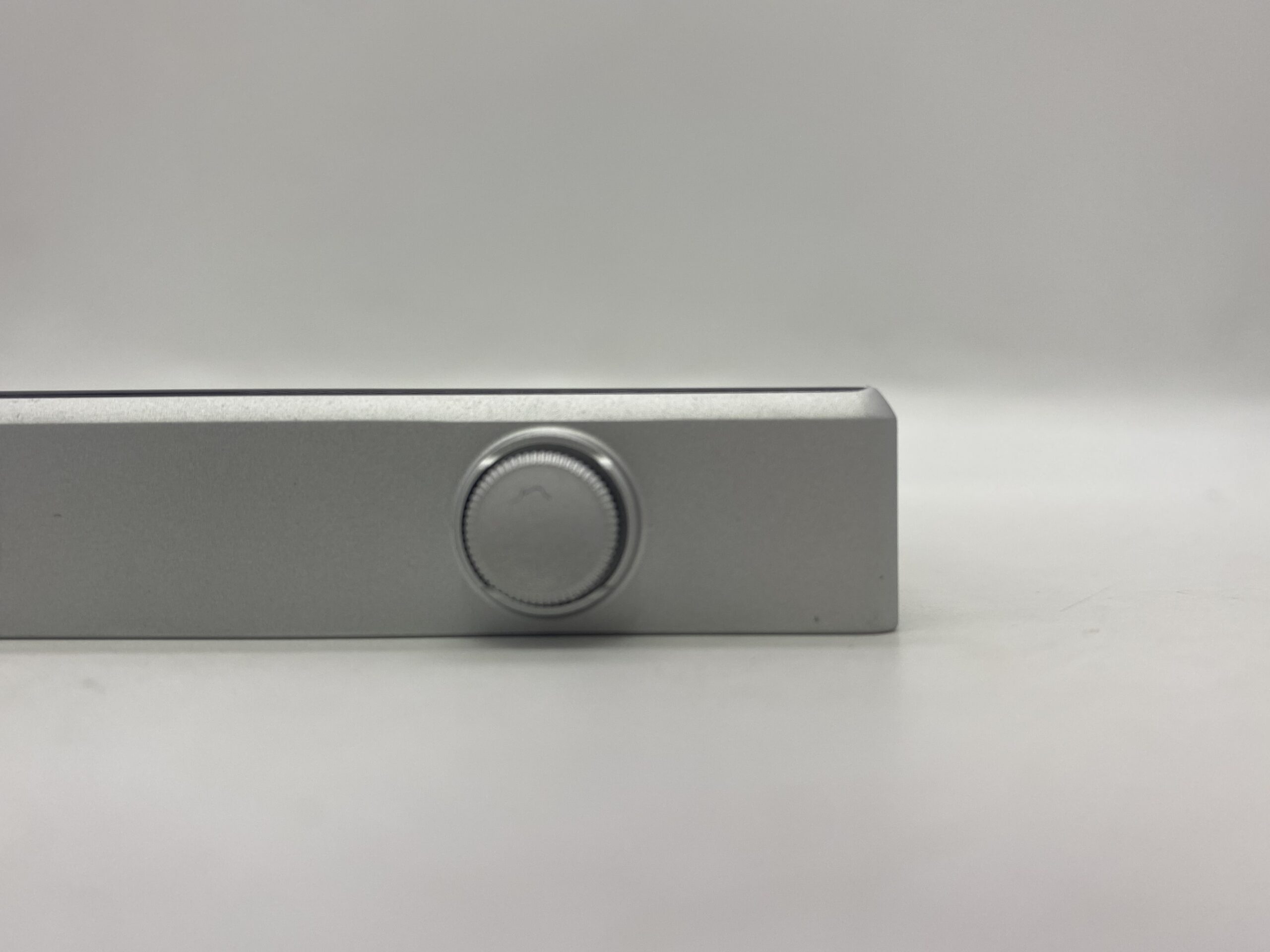
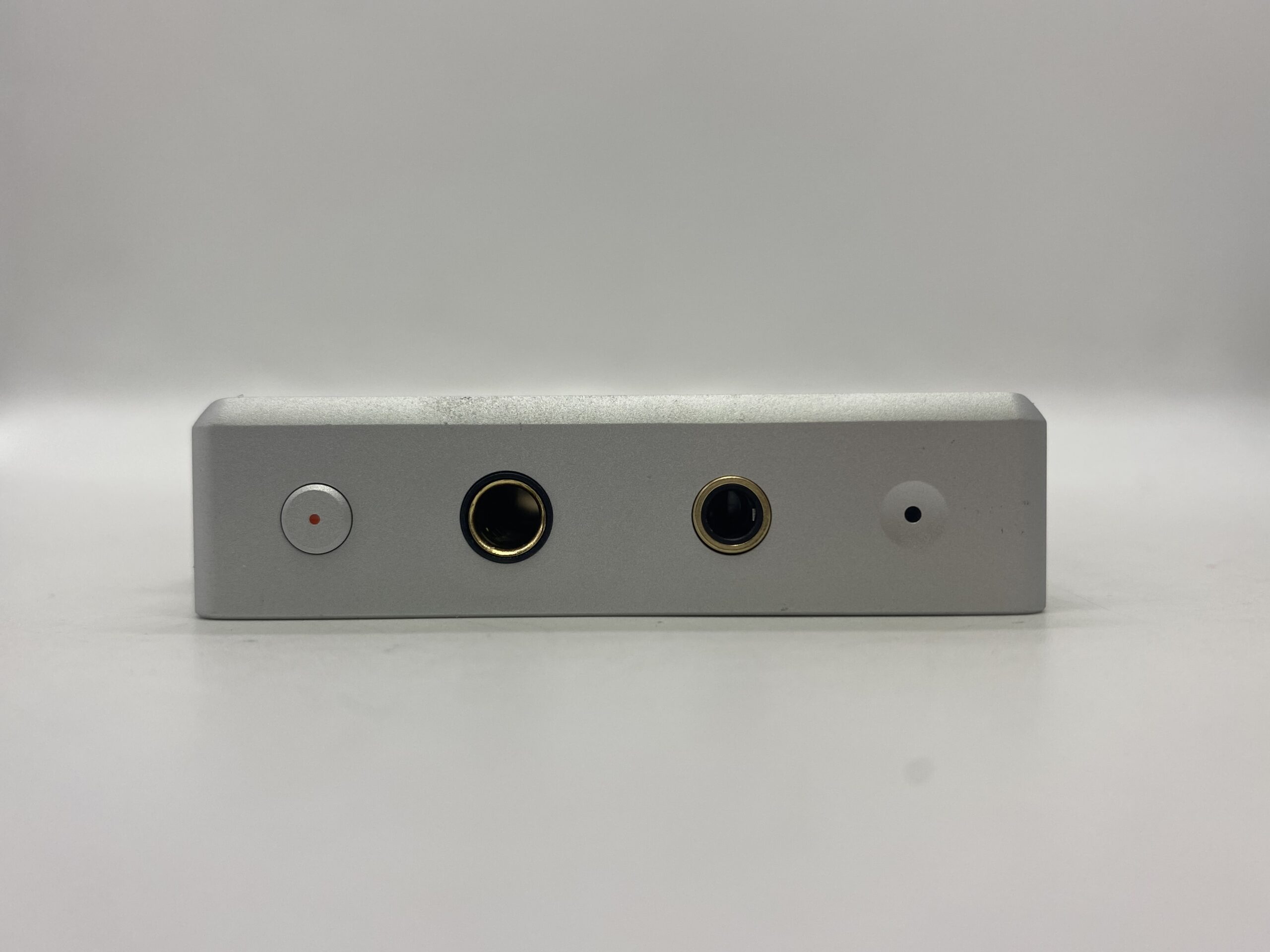
More than ever with A&K devices, the PD5 feels really good to hold, even without its protective case. Your hands can actually grip it firmly without being obstructed by awkward edges. It’s a sleeker and more minimal design, which makes the PD5 one of A&K’s most modern-looking devices. You might not like the smaller volume knob and buttons, but it feels consistent with the overall design. In terms of ports, the PD5 carries over most of everything you would need from a modern DAP. This includes a microSD slot and two headphone ports for 3.5mm and 4.4mm plugs.
Design
Inside the Astell & Kern PD5, eight Cirrus Logic CS43198 DAC chips form an Octa-DAC architecture, with selectable Quad-DAC and Octa-DAC modes. Its amplification circuitry delivers up to 4Vrms through the unbalanced output and 8Vrms through the balanced output in Octa-DAC mode, measured without a load. An octa-core processor handles system operation, while 64GB of NAND storage accommodates your music library. The built-in microphone feeds ambient noise information to EnviroTune, which adjusts frequency response to compensate for musical details masked by surrounding sound. File compatibility covers WAV, FLAC, ALAC, AIFF, MP3, AAC, WMA, OGG, APE, DFF, and DSF, accommodating both compressed music libraries and high-resolution audio collections.
UI
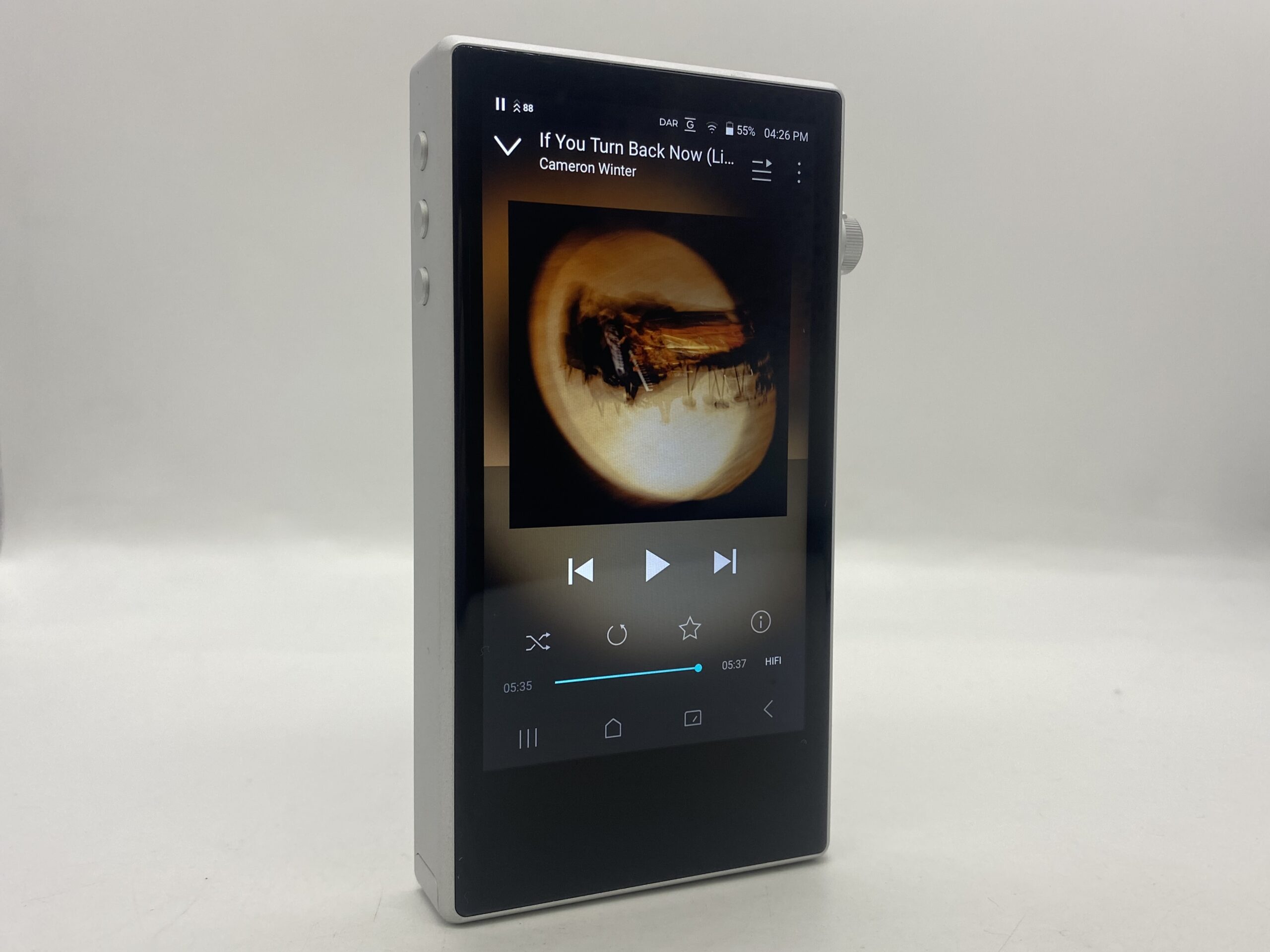
In terms of what the PD5 actually feels like to use, it’s not much different compared to the rest of A&K’s lineup. It is a music player first, rather than an amped up Android phone. Your home screen is your music library, so if you don’t have hard files to listen to, you don’t get much welcome when you boot it up. The sidebar and pull-down menu are all snappy, responding without delay to almost everything you need to do, whether that’s activating the Octa-DAC or EnviroTune microphone. Accessing streamers like Tidal through the app drawer is easy enough, and the Google Play Store is there for anything else you’d like to download, looking more in line with how apps are displayed on your Android smartphone. It’s still entirely separate, as the main pages are all dedicated to showing you your physical library and VU meters.
Sound Impressions
All the components and settings in the A&K PD5 significantly affect how your headphones and IEMs sound. As the technology improves, so does A&K’s ability to produce DAPs that really make a difference, no matter the price of a particular model. As long as it supports A&K’s Octa-DAC and DSD, your sound will be elevated. That was my immediate impression of the PD5. Although this is one of their scaled-down models compared to the SP4000 and 4000T, the sound is just as impressive based on my testing with a few different headphones.
First was the Dan Clark Audio AEON CORE, which on its own has a smooth and balanced sound signature. With all of its settings at default, the PD5 transfers its reserved, spacious tuning with slightly more tactility in pan movements. However, when switching to the Octa-DAC, the sound immediately broadens with a lifted bass tone and more solidified midrange details. Normally, the AEON CORE doesn’t have a lot of low-end impact, but listening with the PD5 in this mode thickens its resonance, increasing weight and overall giving bass notes a more considerable shape in the mix. The midrange keeps its flavor, but with a more forceful, fuller presentation that projects a more impressive scale.
Next, I listened to the PD5 with the HiFiMAN HE1000 Stealth, which is already more of a tuning that I think is fantastic on its own. With the Octa-DAC and DSD activated, the microdetails are what really make a difference here. There’s a difference between hearing clean, uncompromised instruments and the physical space they inhabit. Floor noise and other special artifacts are brought to a clear surface that becomes a part of the sound signature’s overall resolution, a character entirely brought on by the PD5. The HE1000 Stealth doesn’t need much to do it justice, but the way the PD5 uses its technology to enhance its best qualities makes it perform like a high-end desktop setup.
Summary
The Astell & Kern PD5 combines one of the brand’s most comfortable, practical designs with sound that impressed me across two very different headphone pairings. Its compact body makes it easier to handle, while the responsive, music-focused interface keeps browsing and playback straightforward. The strongest impression, however, came from its Octa-DAC mode: the AEON CORE gained bass weight and a fuller presentation, while the HE1000 Stealth revealed subtle spatial details that made recordings feel more tangible. For listeners seeking a portable digital audio player with balanced connectivity, streaming access, and room to explore their headphones’ capabilities, the PD5 makes a compelling case.

The Astell & Kern PD5 is available at Audio46.