
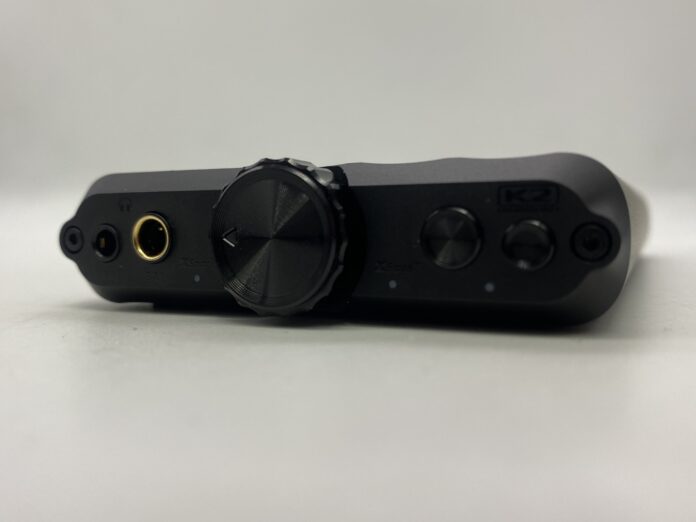
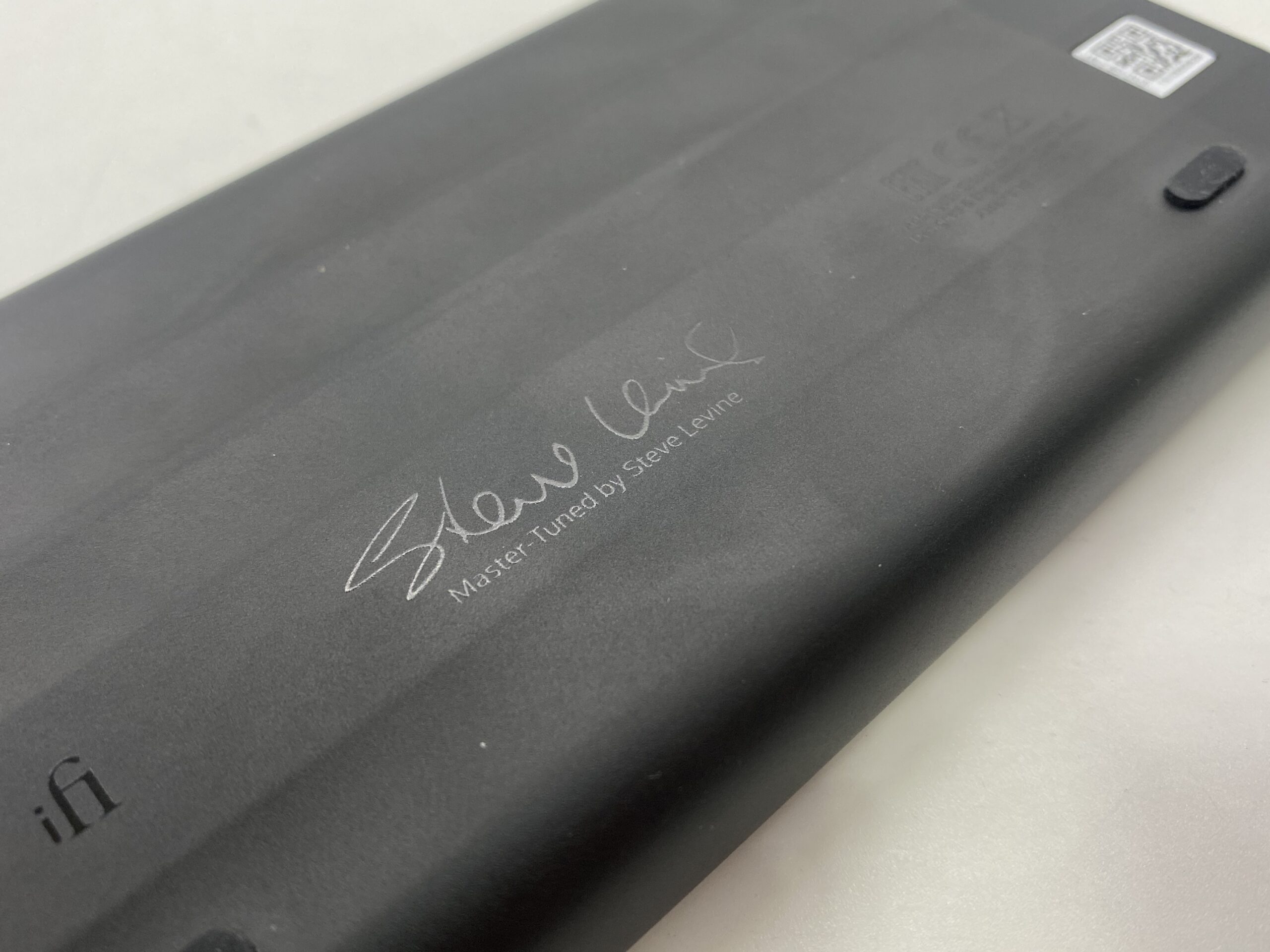
What does a producer’s ear bring to a portable DAC and headphone amplifier? Developed with Steve Levine, the iFi iDSD GR 2 MT builds on the GR 2 platform with upgraded analogue components, exclusive digital filters, and a revised sonic presentation. Its appeal goes beyond driving demanding headphones: this edition promises refinements that could make a difference during close, critical listening. To explore those changes, I paired it with familiar studio headphones and IEMs, listening for improvements in imaging, timbre, and dynamics. Does the GR 2 MT offer a compelling reason to choose it over the standard model, or are its advantages confined to the smallest details?
What You Get
- 1x iDSD GR 2 MT
- 1x Steve Levine Signature Card
- 1x Type A to Type C Cable
- 1x Type C to Type C Cable
- 1x Microfibre protective bag
- 1x User Manual
What is the iFi iDSD GR 2 MT?
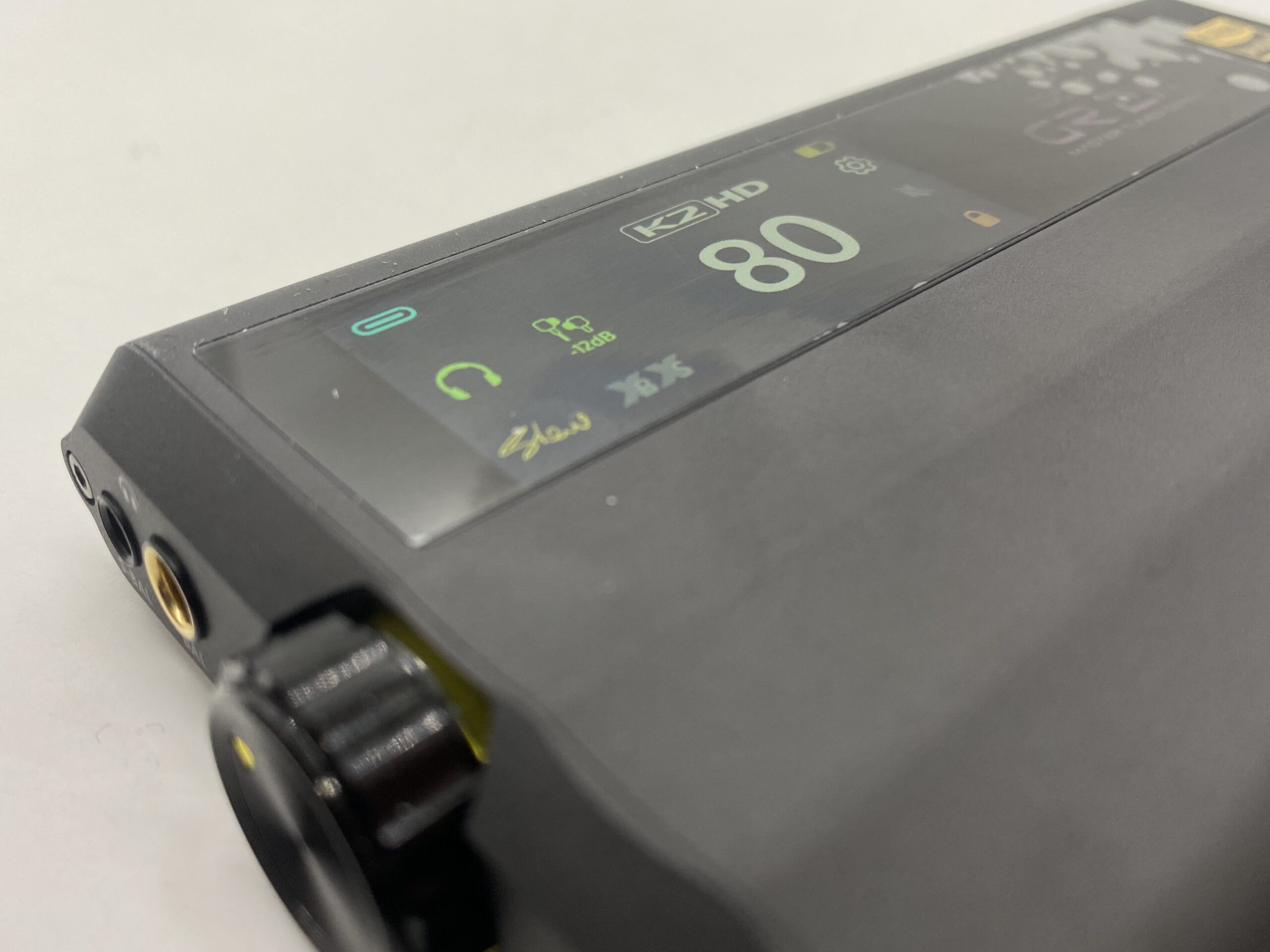
The iFi iDSD GR 2 MT is a portable DAC and headphone amplifier built around a Burr-Brown PCM1795 DAC, supporting PCM up to 768kHz and DSD512. Developed with producer Steve Levine, its fully balanced analogue circuitry features Class A op-amps, precision resistors, Audio Note Keisei capacitors, and upgraded iEMatch circuitry for sensitive earphones. Connectivity includes USB-C, optical/coaxial S/PDIF, and Bluetooth 5.4 with aptX Lossless and LDAC, alongside 4.4mm balanced and 3.5mm S-Balanced headphone outputs, delivering up to 1,513mW into 32 ohms through the balanced connection. A color OLED touchscreen provides access to settings and two exclusive digital filters, while a 4,900mAh battery offers approximately seven hours of playback, with hybrid power management supporting external power during desktop use.
Sound Impressions
If the GR 2 MT’s biggest selling point is its professional studio-engineered, tweaked sound signature, then the difference should be pretty apparent, right? After testing out a few different headphones and IEMs with the GR 2 MT, it’s not quite as easy. For this section, I wanted to focus on studio-grade gear, since I felt it fit testing a new DAC tuning from a Grammy-winning producer.
I paired the GR 2 MT with the Beyerdynamic DT 1990 Pro X, Sennheiser HD 650, and Audeze LCD-X. I also used the MT with the 64 Audio Ocean as well. In terms of raw output, both the GR 2 and the GR 2 MT perform similarly. The 300 Ohm HD 650 was is able to be driven at an equal level to the less resistant DT 1990 Pro X and LCD-X. Neither is the most powerful amplifier, but each headphone has full gain with plenty of headroom.
In terms of how the sound is displayed, the GR 2 MT has a wide expanse that it’s able to output. That’s not just from using Xspace either. The GR 2 MT has a consistently strong sense of localization, elevating headphones and IEMs that already do a job of communicating instrumental positioning. I listened to the 64 Audio Ocean with both GR 2 models, and even by itself, these earphones do a great job separating and anchoring sound elements to their specified, carved-out area.
Pairing it with both models helps fill out the imaging with instruments that feel taller. Everything is slightly raised but still grounded to a physical plane rather than an open, airy stereo field. This is great for the studio headphones I’ve selected, as the GR 2 and the GR 2 MT both do a good job of making sure these headphones reproduce accurate, physical spaces for critical assessment.
If the output of the soundstage doesn’t show a major distinction, what about the frequency resposne? Again, the GR 2 and GR 2 MT are very similar in that regard, even with the retuned DAC. However, it is not impossible to find the small differences that might make you choose one over the other. These tweaks in detail retrieval and clarity are extremely subtle. Using the LCD-X and 1990 Pro really made an effort to point out these differences: more rounded edges to notes, increased dynamics, and so forth. Tonally, the Steve Levine tuning on the GR 2 MT feels a bit more unraveled, resulting in cleaner timbre with a more neutral leaning. XBass feels a bit different, delving deeper and emanating from a physically lower foundation rather than an outward, mid-bass ressonance.
Summary
The iFi iDSD GR 2 MT makes its strongest impression through subtle refinement. Its spacious imaging, precise localization, and comfortable headroom provide a solid foundation for a range of headphones, while Steve Levine’s tuning brings slightly cleaner timbre, more rounded note edges, and a more neutral tonal balance. With revealing headphones like the Audeze LCD-X and Beyerdynamic DT 1990 Pro X, those small distinctions become easier to appreciate. XBass also adds a deeper sense of foundation that complements the presentation. The standard GR 2 delivers much of the same core performance, making the MT a less obvious upgrade for existing owners. For listeners choosing between the two, however, the GR 2 MT offers an appealing extra degree of polish—particularly if critical listening is central to how you enjoy your music.
The iFi iDSD GR 2 MT is available at Audio46.