

Sivga has become known for combining handcrafted wooden elements with accessible audiophile performance. The Nightingale Pro and Lyrebird both follow that philosophy, but their similarities largely end with their distinctive construction. The Nightingale Pro uses a large planar magnetic driver, while the Lyrebird relies on an ambitious four-driver hybrid configuration. These different technologies give each IEM its own personality. The Nightingale Pro emphasizes natural timbre and vocal clarity, while the Lyrebird delivers a warmer, punchier, and more energetic sound. Let’s compare the Sivga Nightingale Pro and Lyrebird to determine which IEM is the better match for your listening preferences.
| Nightingale Pro | Lyrebird |
|
|
Look and Feel
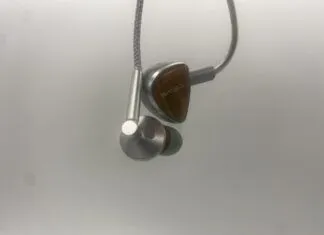
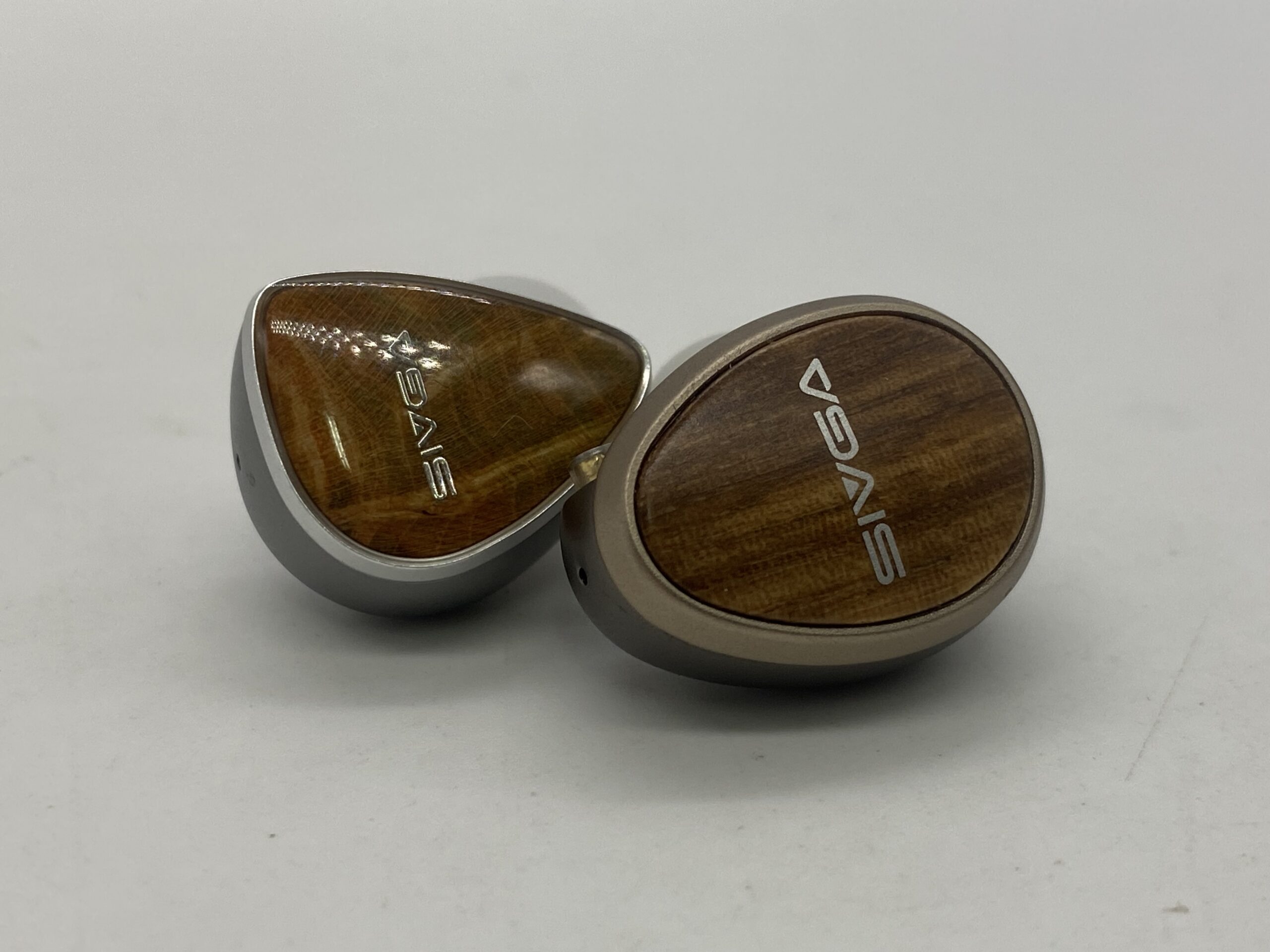
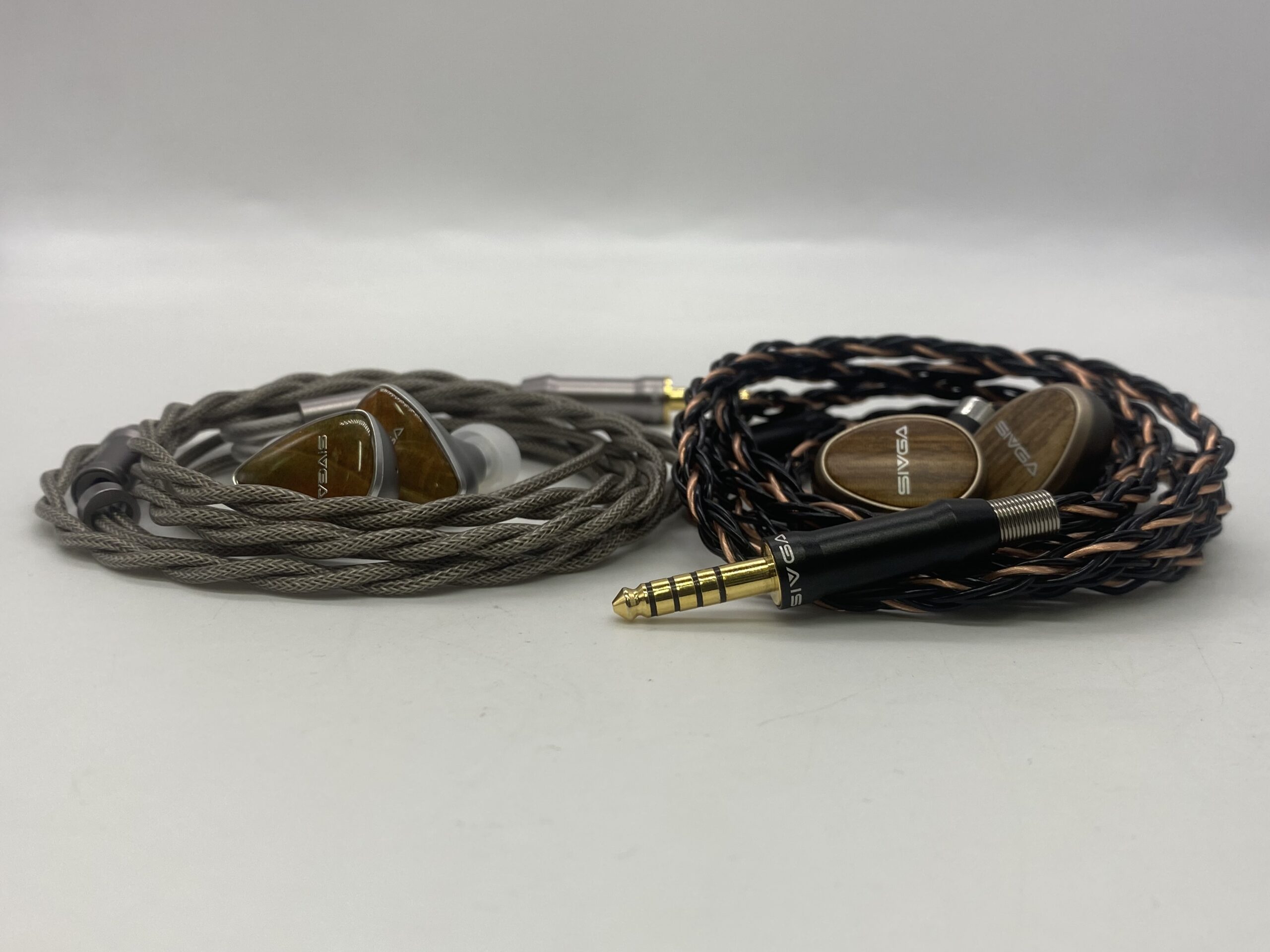
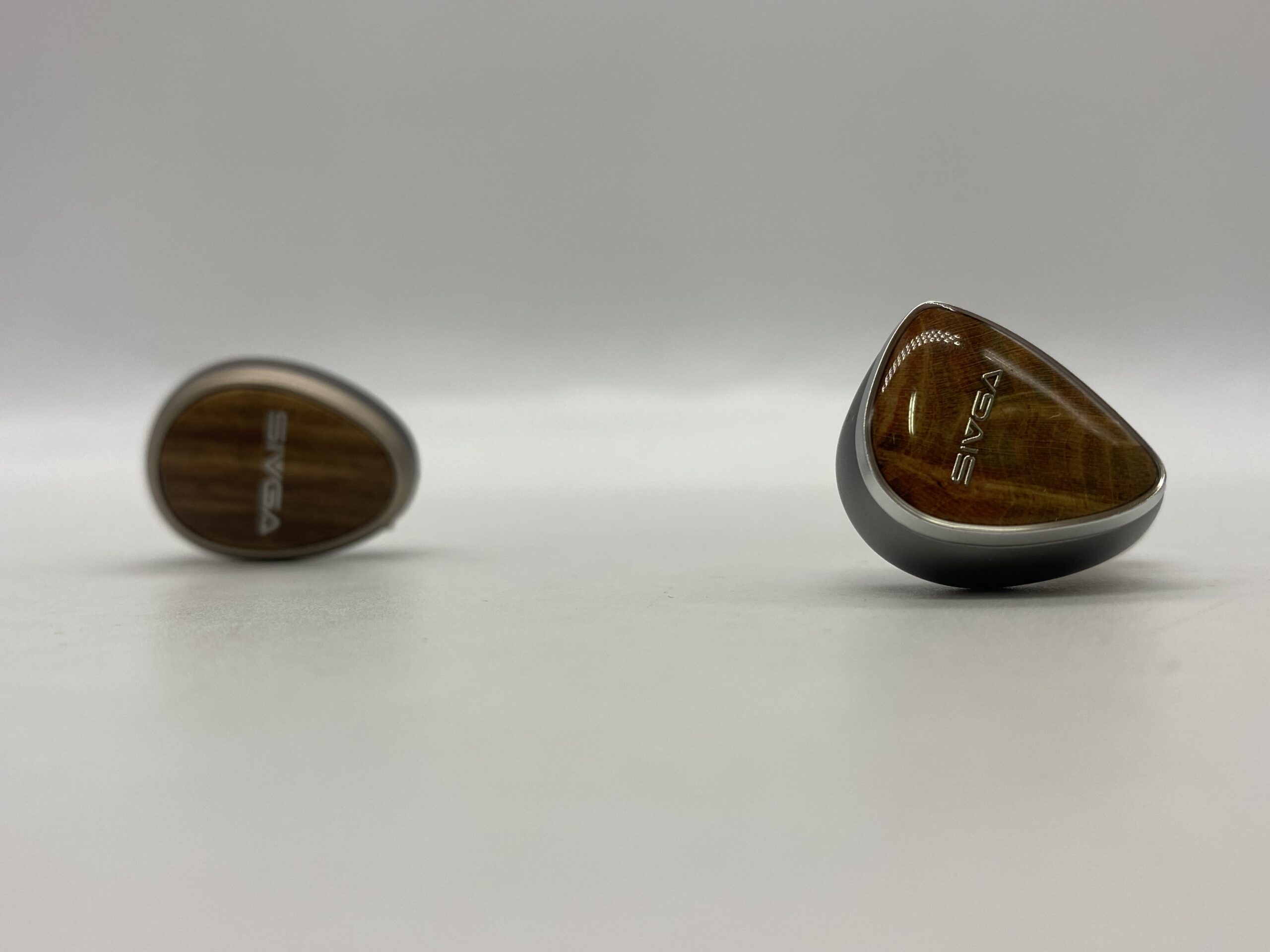
Both IEMs feature Sivga’s signature use of wood, but their designs have noticeably different presentations. The Nightingale Pro uses a smooth, egg-shaped shell with a polished zebrawood faceplate. Unlike many wooden IEMs, the faceplate is not buried underneath a thick layer of glossy resin. Its more natural finish allows the grain and lighter color of the zebrawood to become the primary visual feature. The result is understated but immediately recognizable.
Its inner shell is rounded and ergonomically shaped, helping the nozzle maintain a comfortable position in the ear. The fit is easy to wear over longer listening sessions, although it is not quite as firmly planted as the Lyrebird. The Lyrebird feels more refined and slightly more premium. Its handcrafted wooden faceplate has a glistening resin finish, while the surrounding aluminum housing adds density and structure. The shell is compact despite containing four different drivers, and its ergonomic contours sit naturally inside the concha. Both models are comfortable, but the Lyrebird has the more secure fit and upscale finish. The Nightingale Pro will appeal more to listeners who prefer a simpler, more organic wooden design.
Design
| Specification | Sivga Nightingale Pro | Sivga Lyrebird |
|---|---|---|
| Driver configuration | 14.5mm planar magnetic driver | Four-driver hybrid system |
| Driver components | Composite diaphragm and aluminum ribbon conductor | Dynamic, balanced armature, micro-planar, and piezoelectric drivers |
| Frequency response | 20Hz–40kHz | 20Hz–20kHz |
| Impedance | 16 ohms | 14 ohms |
| Sensitivity | 107dB | 108dB |
| Housing style | Ergonomic shell with zebrawood faceplate | Aluminum shell with resin-coated wooden faceplate |
The Sivga Nightingale Pro uses a proprietary 14.5mm planar magnetic driver. Its 0.008mm composite diaphragm works with a 0.006mm aluminum ribbon conductor and a multi-magnet neodymium array. This construction is intended to provide fast movement, strong separation, and extended high-frequency performance. The Sivga Lyrebird divides the frequency spectrum between four different driver types. A 10mm polymer-composite dynamic driver handles the bass, while a balanced armature focuses on vocals and midrange detail. A micro-planar driver supports the upper frequencies, and a 9.2mm multilayer piezoelectric ceramic driver reproduces fine treble information. Neither IEM requires particularly demanding amplification. However, a clean portable DAC or headphone amplifier can help both models present their imaging and tonal detail more effectively.
Soundstage
The Nightingale Pro produces a concentrated but well-organized stereo image. Its soundstage is wide without becoming sparse, and instruments have enough height and body to fill the available space. It does not create an enormous or highly holographic headspace, but its separation keeps arrangements coherent and easy to follow. Individual sounds can be localized, although their spatial positions are not always rendered with especially sharp tactility. The Nightingale Pro is more concerned with keeping the image natural and balanced than exaggerating the space around each instrument.
The Lyrebird offers the more expansive and animated presentation. Instruments have clearly defined positions across the left and right channels, producing wide separation and strong stereo balance. Its imaging also conveys more height and movement, allowing panning effects and layered arrangements to sound more vivid. Both IEMs perform well for their respective designs, but the Lyrebird has the more exciting soundstage. The Nightingale Pro is slightly more cohesive, while the Lyrebird provides stronger positional definition and a greater sense of scale.
Low End
Bass is one of the clearest tonal differences in this Sivga IEM comparison. The Nightingale Pro presents its low end with a natural timbre and good internal texture. Bass guitars have a pleasant sense of groove, while individual low-frequency elements maintain clear shapes within the mix. Its planar driver also gives the bass a layered quality that complements acoustic instruments particularly well. However, the Nightingale Pro is not tuned for heavy impact. Its sub-bass lacks substantial drive, producing only a soft thump when recordings extend into the lowest frequencies. Listeners who want powerful rumble or an aggressive kick may find its bass too restrained.
The Lyrebird has a more forward and immediately satisfying bass response. Its mid-bass carries most of the low end’s energy, producing a fast, punchy tone with plenty of outward resonance. Drums and electronic rhythms feel more forceful, giving the Lyrebird a lively foundation. Sub-bass remains limited on the Lyrebird as well. It is audible, but it does not extend with the depth or physical rumble that dedicated bass enthusiasts may expect. Even so, the Lyrebird is easily the more impactful of the two IEMs. For texture and natural tone, the Nightingale Pro has the advantage. For punch, warmth, and rhythmic energy, the Lyrebird is the stronger choice.
Mids
The Nightingale Pro places greater emphasis on vocal clarity. Its upper midrange is elevated, bringing singers forward in the mix and adding crisp definition to their presence. Instruments surrounding the vocals retain a realistic timbre, with enough depth to keep the presentation from feeling flat. This elevation can occasionally introduce a shouty quality, particularly with already-bright vocals or upper-midrange-heavy mixes. However, it generally remains controlled. The Nightingale Pro is at its best with vocal-focused music, acoustic recordings, and arrangements that benefit from a clean, intimate center image.
The Lyrebird takes a warmer, more colorful approach. Its fundamental midrange frequencies are somewhat recessed, while low-mid warmth and upper-mid crispness receive more attention. Instruments remain organized, but their note impact is softer and less immediate than on the Nightingale Pro. That relaxed transient character helps the Lyrebird maintain a smooth, cohesive presentation. It sacrifices some neutrality but replaces it with a fun tonal balance that suits rock, pop, electronic, and other energetic genres. The Nightingale Pro has a clearer, more realistic midrange. The Lyrebird sounds warmer and more stylized, making the choice depend on whether you prioritize vocal presence or tonal color.
Highs
Treble performance is imperfect on both IEMs, though each model handles its limitations differently. The Nightingale Pro introduces a noticeable shimmer at the start of high-frequency notes. Bells, tambourines, and similar sounds have a clear initial glimmer, but their decay can end abruptly due to a roll-off in the uppermost frequencies. This creates an unusual contrast between the strong opening sparkle and the shortened tail that follows. The Lyrebird’s treble is thinner and less extended, but also smoother. Cymbals have enough sparkle to sound expressive without becoming sharp or piercing. Its upper frequencies remain controlled and easygoing, even if they do not offer a great deal of air or height. Listeners who want stronger initial brightness may prefer the Nightingale Pro. Those who are sensitive to sharp treble will likely find the Lyrebird more forgiving.
Summary
The Sivga Nightingale Pro offers a more natural and vocal-focused listening experience. Its planar magnetic driver produces good separation, convincing instrumental texture, and an organized soundstage. Its restrained sub-bass and uneven upper-treble decay keep it from feeling fully balanced, but listeners who value realistic timbre and vocal clarity should find it rewarding.
The Sivga Lyrebird is the more energetic and immediately engaging IEM. Its quad-driver hybrid design generates punchier bass, broader separation, and a warmer midrange that gives music plenty of color. It does not offer exceptional sub-bass depth or treble extension, but its lively character makes it a versatile and enjoyable entry into audiophile sound. Between the two, the Nightingale Pro is the better option for vocals, acoustic instruments, and natural tone. The Lyrebird is better suited to listeners looking for impact, spacious imaging, and a more entertaining overall presentation.
The Sivga Nightingale Pro and Lyrebird are available at Audio46.