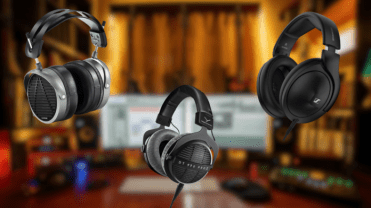
Finding the best headphones for sound engineers in 2026 means choosing a tool that fits the work you actually do. A headphone that helps you follow a vocal performance during recording may serve a different purpose from one that lets you examine panning, instrumental separation, and reverb during a mix. Comfort, connection options, and tonal balance all matter when those decisions stretch across hours of listening. The following studio headphones offer different approaches to professional monitoring, from familiar dynamic designs to planar magnetic alternatives.
Best Closed-Back Headphones For Sound Engineers
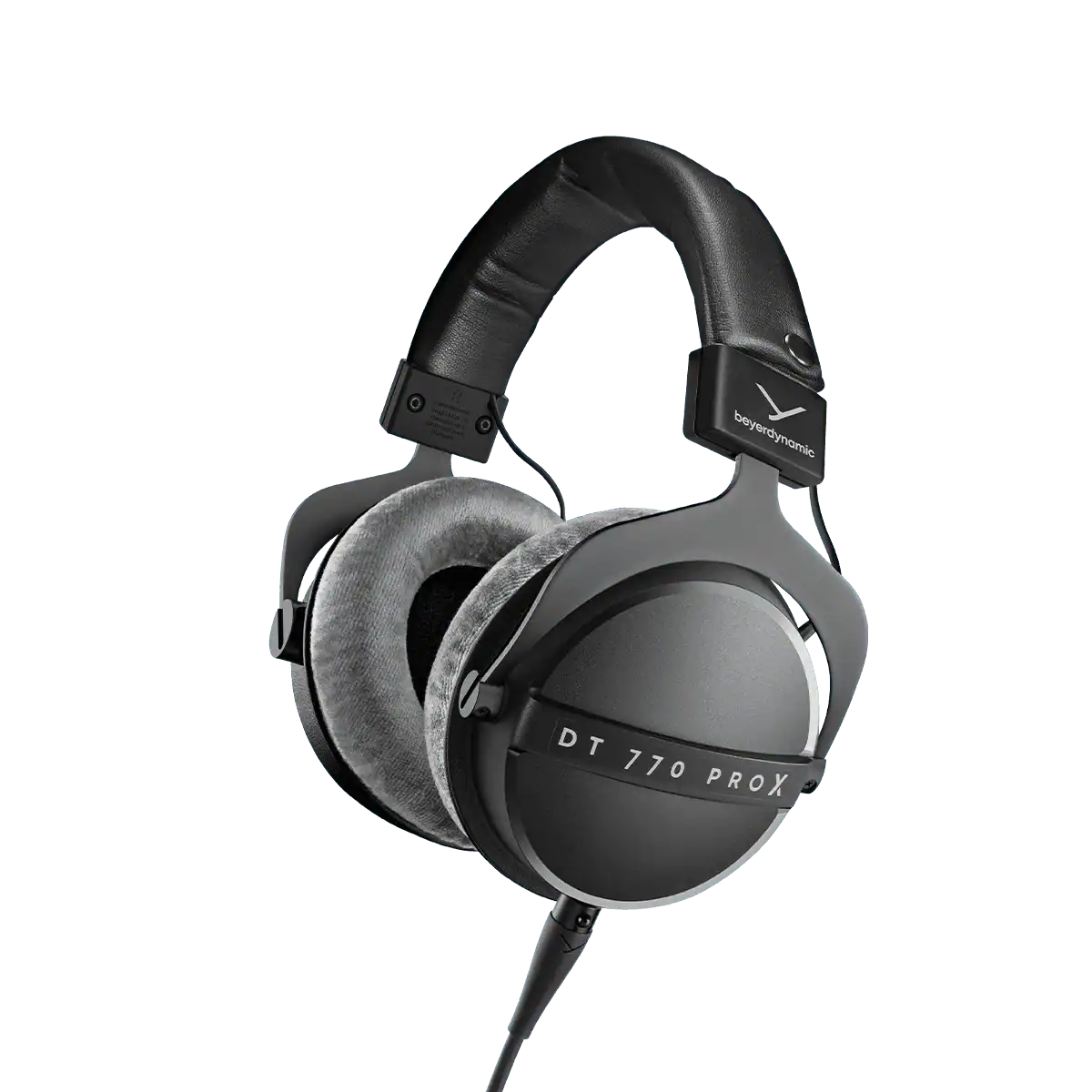
Beyerdynamic DT 770 PRO X
The Beyerdynamic DT 770 PRO X combines the familiar DT 770 construction with STELLAR.45 drivers and a detachable cable, making it an appealing choice for engineers who want a straightforward closed-back studio headphone. The linked review covers the Limited Edition version, whose 48-ohm impedance makes it accessible from a laptop or audio interface. Its bass is restrained and well-defined, while a mostly linear midrange provides strong separation and clear vocal detail. Treble takes a more prominent role, giving the presentation a bright, analytical character without the reviewer finding it excessively sharp. That combination makes it a useful candidate for tracking, editing, and inspecting individual elements in a recording. Engineers who prefer a warmer monitor should keep its leaner bass and forward top end in mind.

Sennheiser HD 620S
Sennheiser’s HD 620S brings a closed-back option to the HD 600 family, with a sound that emphasizes balance, vocal clarity, and separation. Its bass avoids excessive weight, leaving room for an airy midrange that makes layered instruments and voices easy to follow. The treble is more energetic than the darker presentation often associated with the series, contributing detail without becoming overly sibilant in the review. Angled drivers also help create a relatively spacious stereo image for a closed-back headphone. These qualities make the HD 620S a strong candidate for dialogue editing, vocal production, and reference listening when isolation is useful. The padded construction remained comfortable over extended listening, although the firm clamp and occasionally awkward locking cable connector deserve consideration.
Audeze LCD-S20
The Audeze LCD-S20 suits engineers who prioritize organized imaging and midrange definition over a dramatic presentation. Its closed-back soundstage is relatively flat in dimension, but separation makes individual layers easy to locate. Bass is clearly shaped and restrained, with limited weight rather than an exaggerated sense of impact. The midrange supplies much of its character: instruments sound quick and articulate, while vocals move forward with a crisp presence. High frequencies introduce air and detail while remaining controlled. For vocal editing, acoustic arrangements, and examining busy sessions, that focused presentation makes the LCD-S20 an interesting planar option. Its lighter bass balance is the main consideration for engineers working on material where deep low-frequency energy plays a central role.
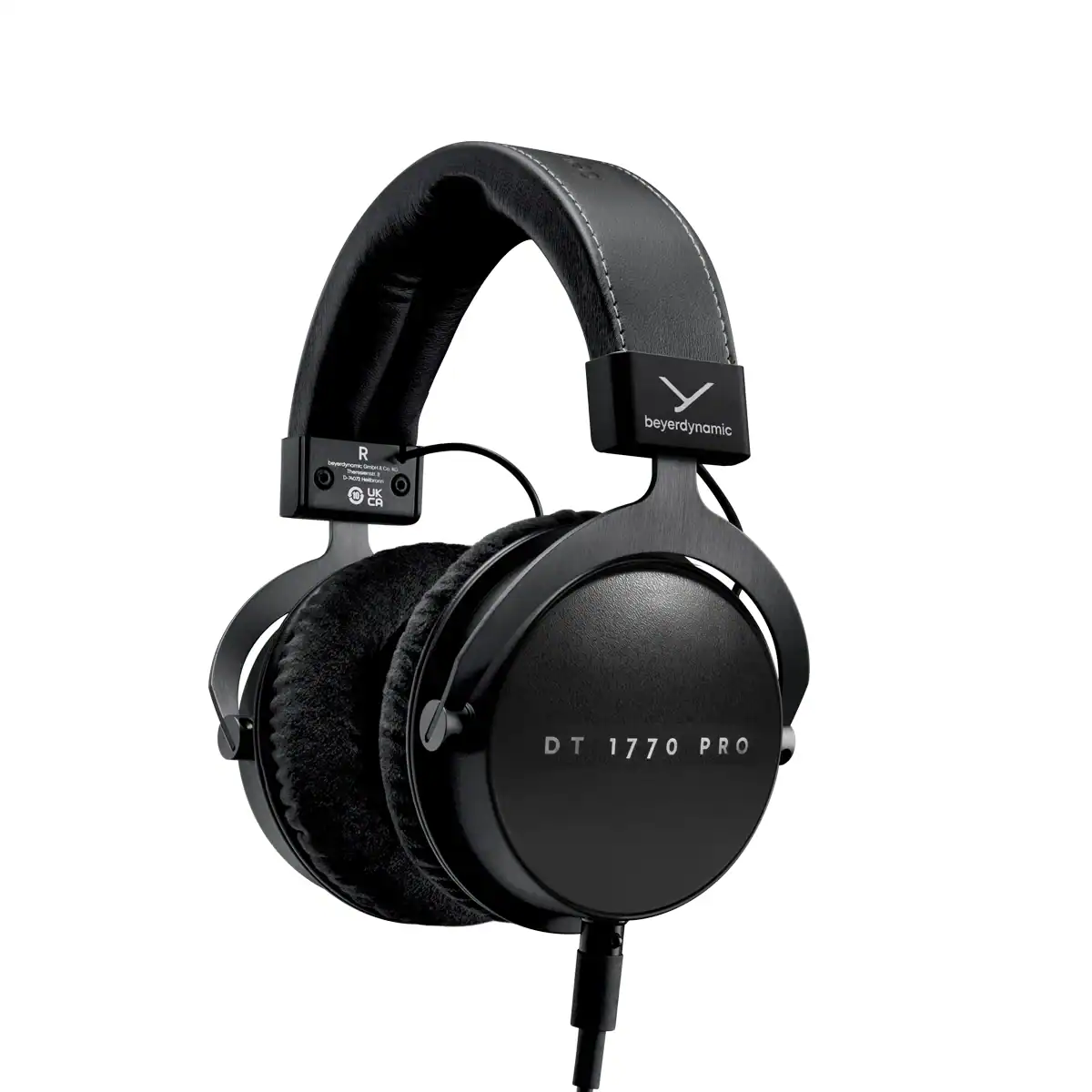
Beyerdynamic DT 1770 PRO MKII
The Beyerdynamic DT 1770 PRO MKII offers a closed-back presentation with notably clear layering and a greater sense of depth than its predecessor. Its TESLA.45 drivers lower the impedance to 30 ohms, making it more accessible from standard headphone outputs. Spatially, instruments occupy distinct positions, with enough separation to follow complex arrangements without everything collapsing toward the center. Bass has depth and definition, but its impact remains selective rather than continuously emphasized. Clean mids and finely reproduced transients support close examination of vocals and instruments, while the review finds the treble more reserved than Beyerdynamic’s reputation might suggest. For engineers seeking a detailed closed-back headphone that combines spatial clarity with an approachable drive requirement, the DT 1770 PRO MKII is a compelling option.
Dan Clark Audio Aeon Core
The Dan Clark Audio Aeon Core stands out for the width and separation of its closed-back planar presentation. Complex arrangements remain organized, with clear channel identity and substantial space between instruments. That makes it an appealing option for studying layered productions and listening to spatial relationships during long sessions. Its comfortable fit and forgiving treble reinforce that role, but the tuning has meaningful limitations for critical tonal decisions. Bass is soft and relatively light in impact, while the full midrange can sound dry, with a slight veil in the upper mids. The Aeon Core therefore makes the strongest case as a spacious alternative reference for engineers who value relaxed listening and separation, rather than as an automatic first choice for judging bass weight or vocal presence.
Best Open-Back Headphones For Sound Engineers
Beyerdynamic DT 990 PRO X
The Beyerdynamic DT 990 PRO X updates a familiar studio design with 48-ohm STELLAR.45 drivers and highly defined stereo positioning. Instruments sit in clear locations, while the spacious presentation keeps overlapping layers easy to distinguish. Its bass is generally restrained but can reproduce greater scale when the recording calls for it. Through the mids, a touch of low-mid warmth supports a balanced, detailed presentation with slightly elevated vocals. These qualities make it a strong candidate for examining panning, arrangement density, and instrumental separation. The main caveat is its characteristic treble edge: the reviewer finds it controlled, but the PRO X does not fundamentally soften the Beyerdynamic sound. Engineers who enjoy an explicit top end may appreciate it more than those sensitive to brightness.
Audio-Technica ATH-R50x
The Audio-Technica ATH-R50x is an appealing studio option when comfort is as important as close listening. Its lightweight, flexible construction remains comfortable through hours of use, while the sound focuses on precise imaging and articulate mids. The stereo presentation is more grounded than expansive, making instruments and effects easy to locate without adding an exaggerated sense of space. Bass notes are cleanly defined, although sub-bass weight and overall impact are limited. Vocals have a natural, forward presence, supported by quick transients and ample separation. Treble is comparatively subtle, with restrained sparkle rather than pronounced brightness. For engineers spending long sessions editing dialogue, balancing vocals, or working through arrangements, the R50x offers a practical combination of comfort and clarity, with a lighter low end to account for.
Audeze MM-100
The Audeze MM-100 brings planar magnetic monitoring to a more accessible position within Audeze’s professional range. Its strengths include carefully separated layers, precise imaging, and a spacious presentation that retains a focused center. Bass is clean and extended without heavily emphasizing sub-bass sensation, while quick transients give percussion and other rhythmic elements a lively character. The mids are particularly energetic, with vocals and snares pushed forward by an upper-midrange emphasis. That can help draw attention to vocal balance, but it also means the MM-100 is not an entirely flat or forgiving reference. A comfortable suspension design and the ability to connect the single-sided cable to either earcup add practical studio appeal. It is a strong candidate for engineers who want planar separation and vocal detail while remaining aware of that presence-region emphasis.
Sony MDR-MV1
Designed with spatial-audio production in mind, the Sony MDR-MV1 earns its place through precise, fluid imaging rather than an unusually huge soundstage. Subtle pan positions remain distinct, and moving elements travel cleanly across the stereo field. Its 223-gram build also makes it particularly attractive for extended editing and mixing sessions, although listeners with larger ears may find the pad openings restrictive. Tonally, the MDR-MV1 combines substantial, natural mid-bass with a restrained sub-bass roll-off and increasingly forward mids toward the higher frequencies. This gives it a crisp, revealing character rather than a completely neutral balance. Engineers concentrating on pan movement, effect placement, and separation may find it especially useful, provided they learn how its upper-frequency emphasis relates to their other monitoring references.
Beyerdynamic DT 1990 PRO MKII
The Beyerdynamic DT 1990 PRO MKII is a strong choice for engineers who want explicit detail and tightly organized stereo imaging. Its open-back presentation separates channels cleanly and gives each element a defined location, making panning and layered arrangements easy to inspect. The 30-ohm TESLA.45 driver design also makes it easier to drive than the original model. Bass responds to the recording rather than adding constant resonance, while the transparent midrange exposes instrumental attacks and vocal texture. Treble is the principal tradeoff: its pronounced lift can bring out sibilance and lend the sound a cutting edge. That same presentation makes reverb decay and high-frequency information easy to follow. It is particularly appealing as an analytical reference for engineers who are comfortable working with a bright monitor.
Austrian Audio The Arranger
Austrian Audio’s The Arranger pairs precise instrument placement with a warmer, more substantial tonal presentation. The soundstage is concentrated rather than dramatically expansive, but individual elements remain clearly anchored and easy to separate. Bass contributes considerable weight, mid-bass punch, and warmth, while the mids maintain distinct instrumental textures and clearly presented vocals. The treble stays comparatively smooth, making the Arranger appealing for extended listening. Deep suede cushions and a comfortable fit further support long sessions. Its main distinction is that the review does not describe the response as especially flat. For engineers, that makes the Arranger an interesting alternative reference for checking musical weight and fullness alongside a more restrained monitor, particularly when an enjoyable presentation is also a priority.
Audeze MM-520
The Audeze MM-520 makes a strong case for engineers seeking a disciplined open-back planar reference. Its soundstage stays relatively focused, with organized layering and sharply localized positions that the review likens to studio monitors in a small room. The 90mm planar drivers and SLAM technology deliver controlled bass with a grounded sub-bass foundation, while mid-bass transients remain tight instead of heavily emphasized. Mids are clear and largely even, with a slight upper-mid lift supporting vocal presence. Airy treble helps expose cymbal detail and reverb tails without the reviewer reporting fatigue. Its substantial construction may be less appealing to those seeking minimal weight, but the plush pads support critical listening. For mix assessment, the MM-520’s appeal lies in its controlled tonal balance and precise organization of the stereo field.